
Last updated October 16, 2026
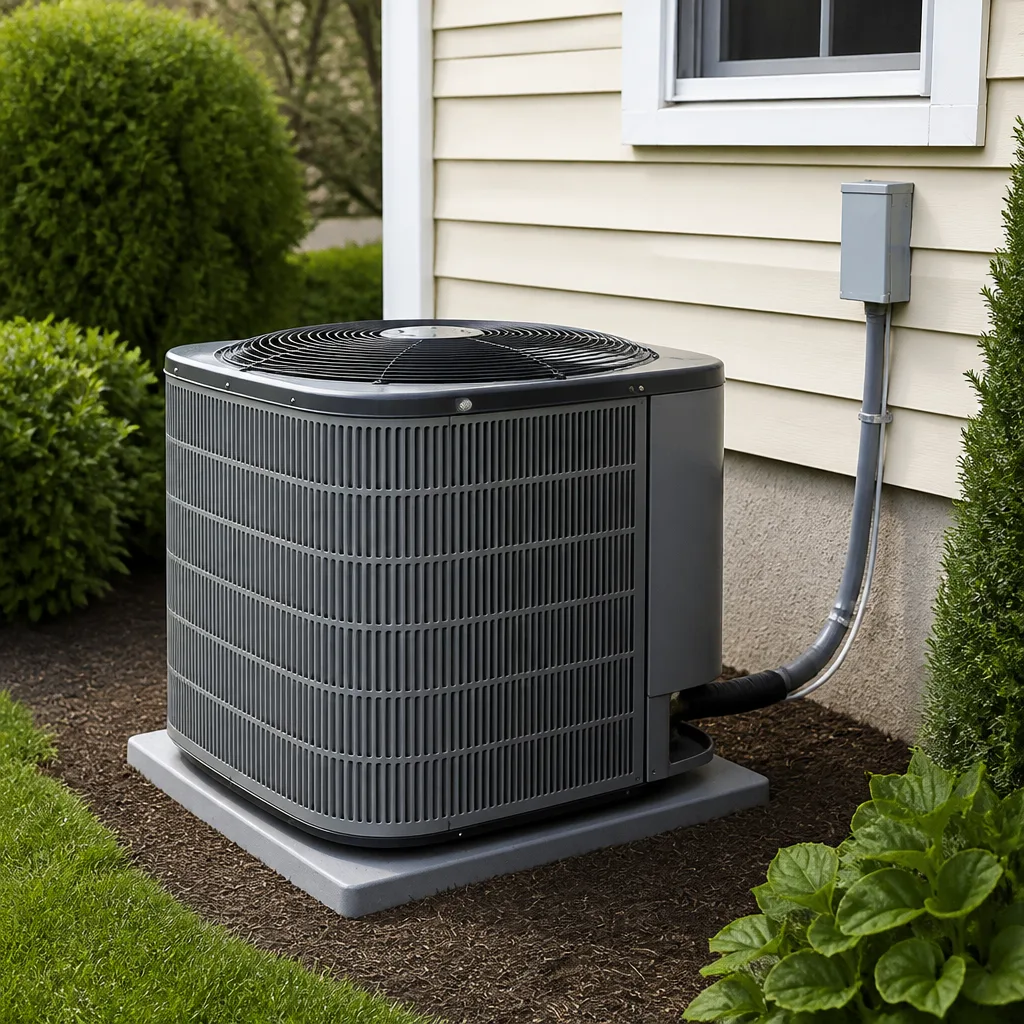 AC repair
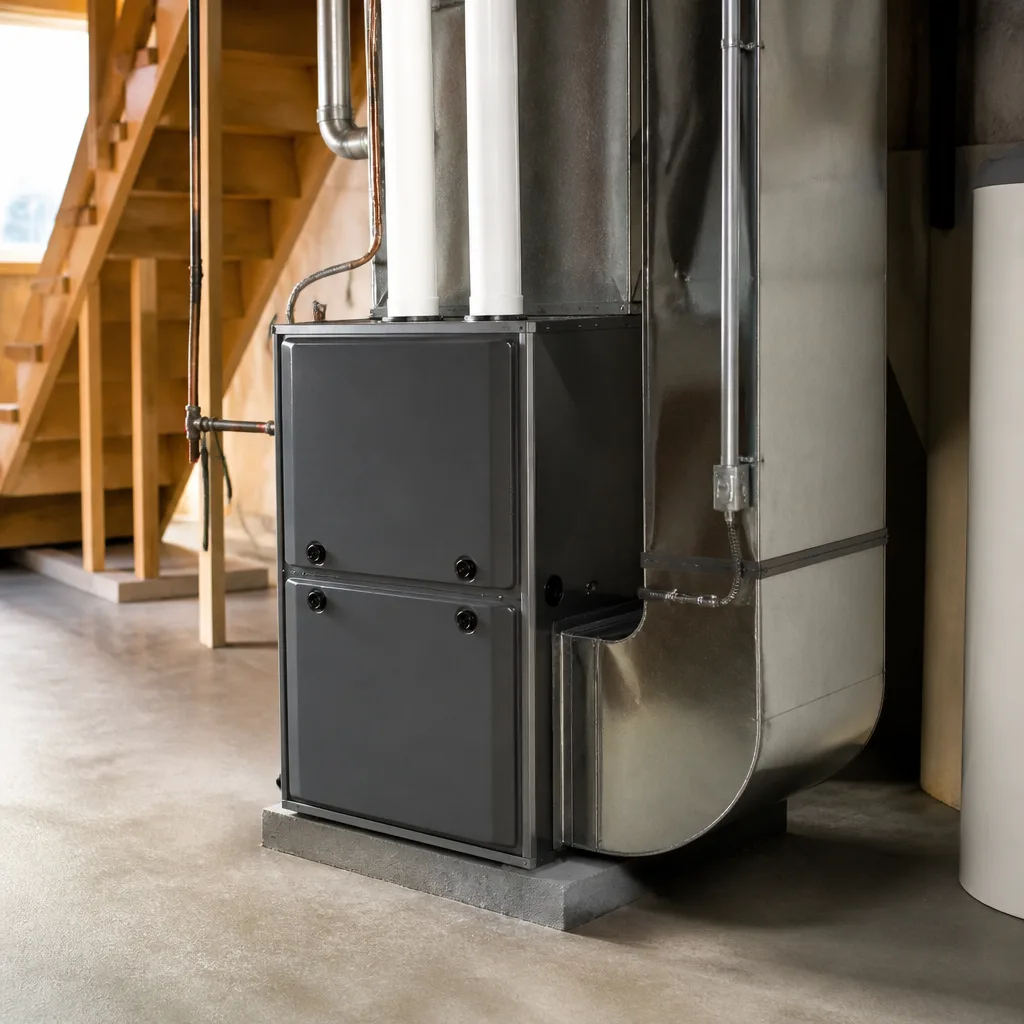 Furnace & heating
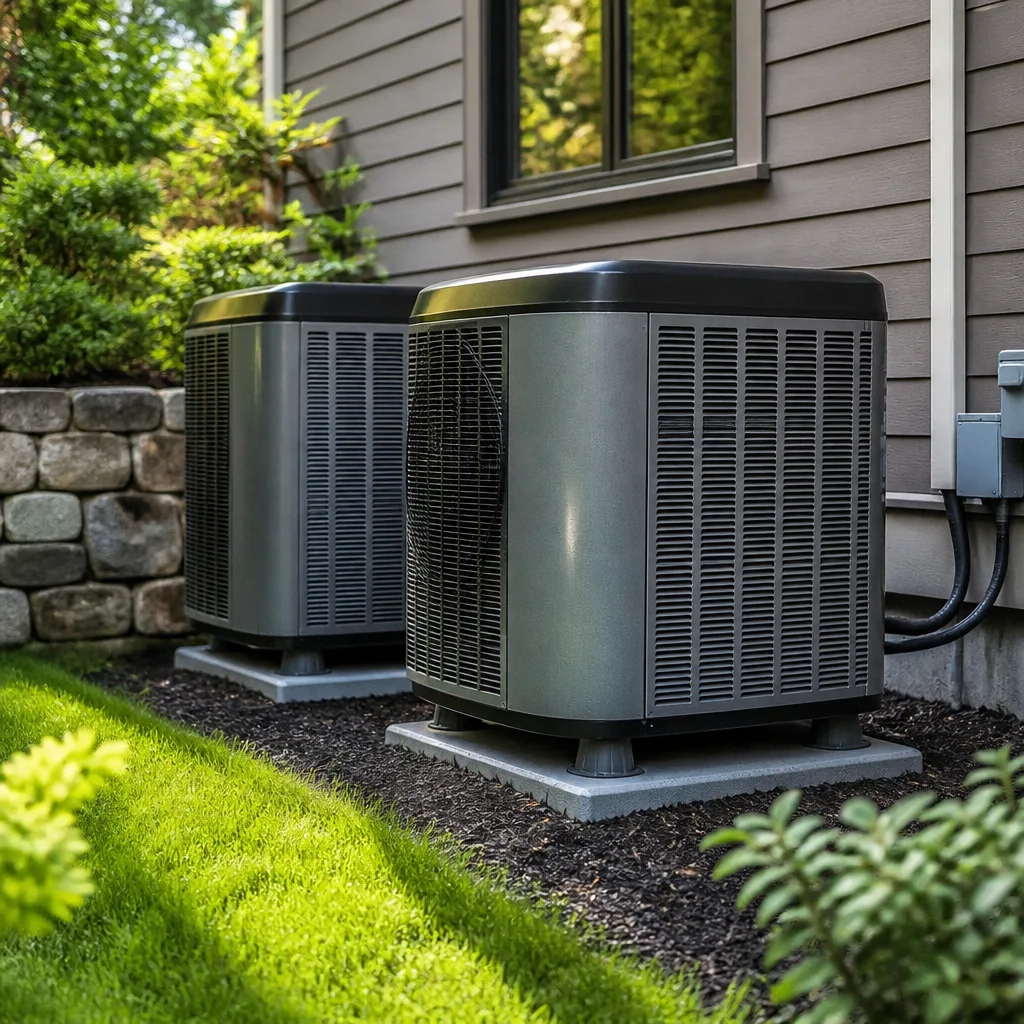 Heat pumps
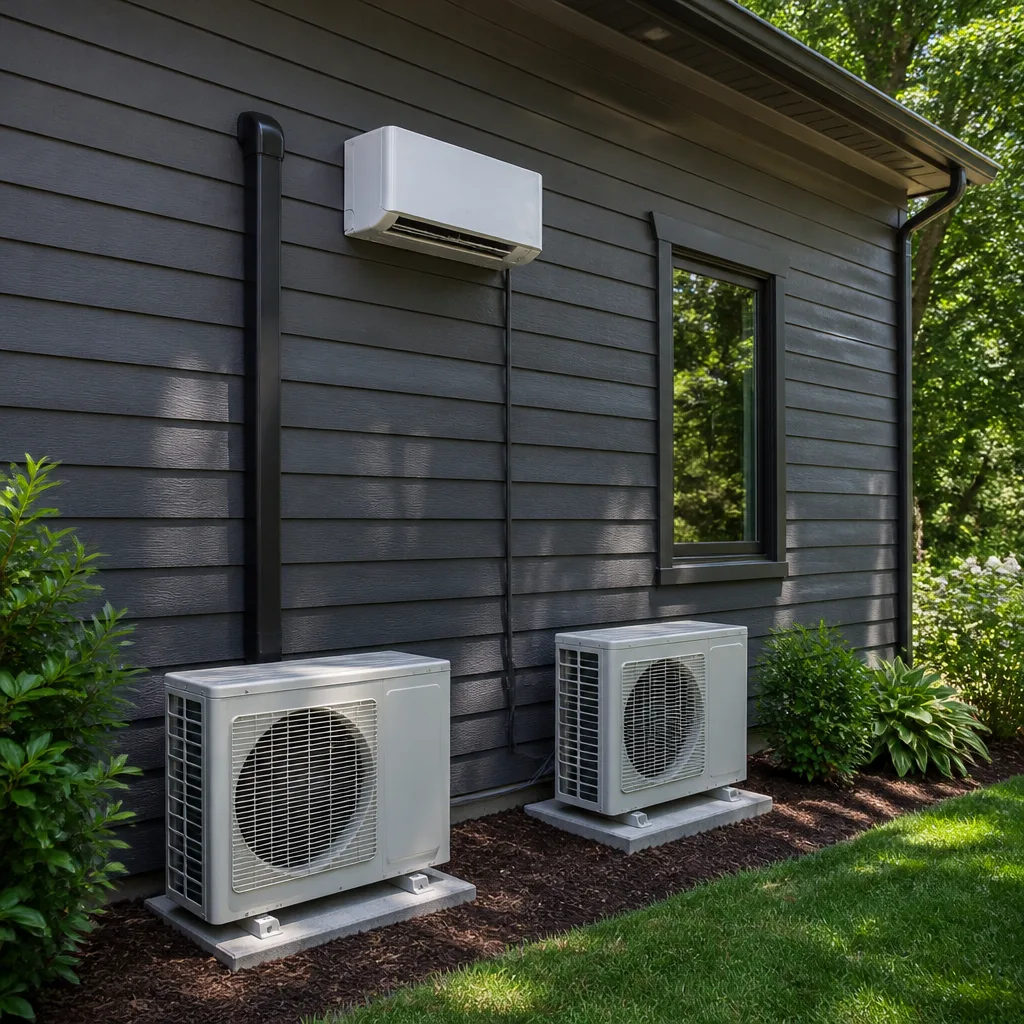 Ductless mini splits
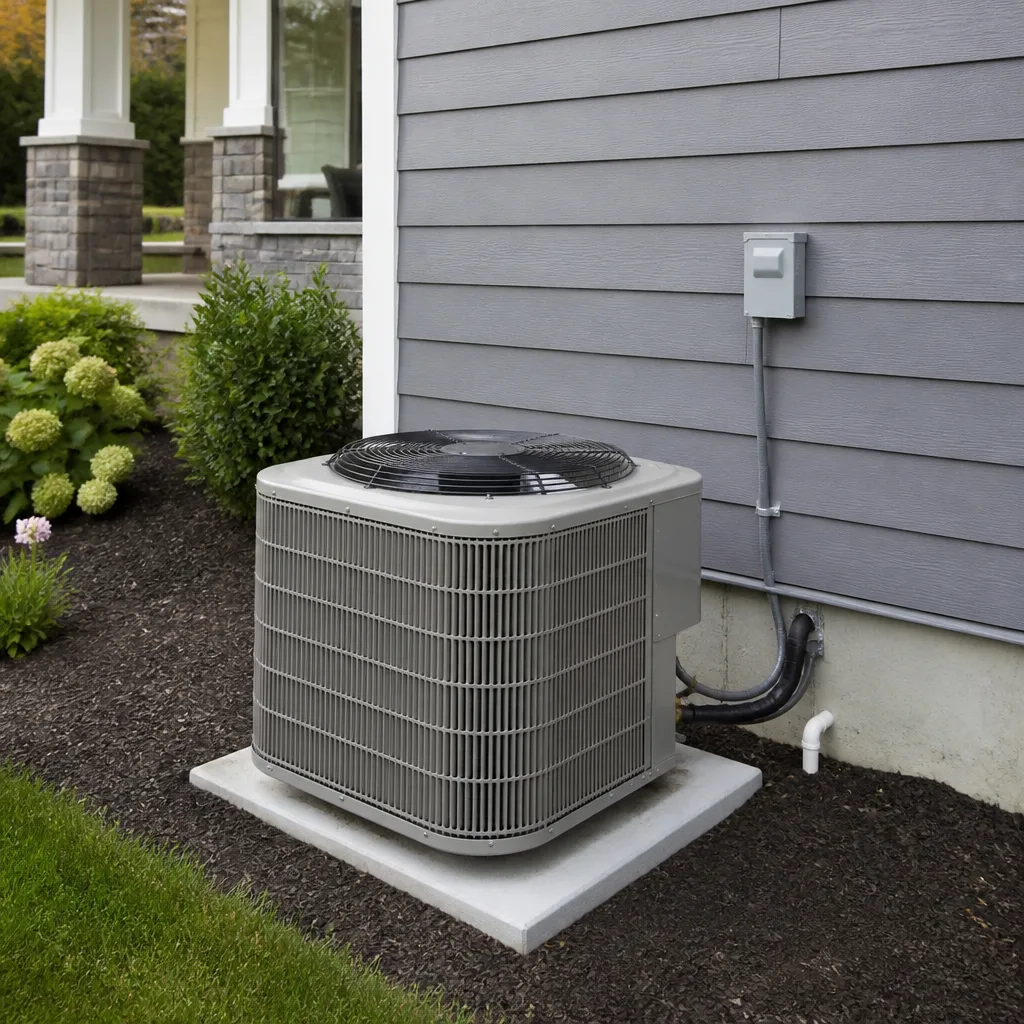 Carrier
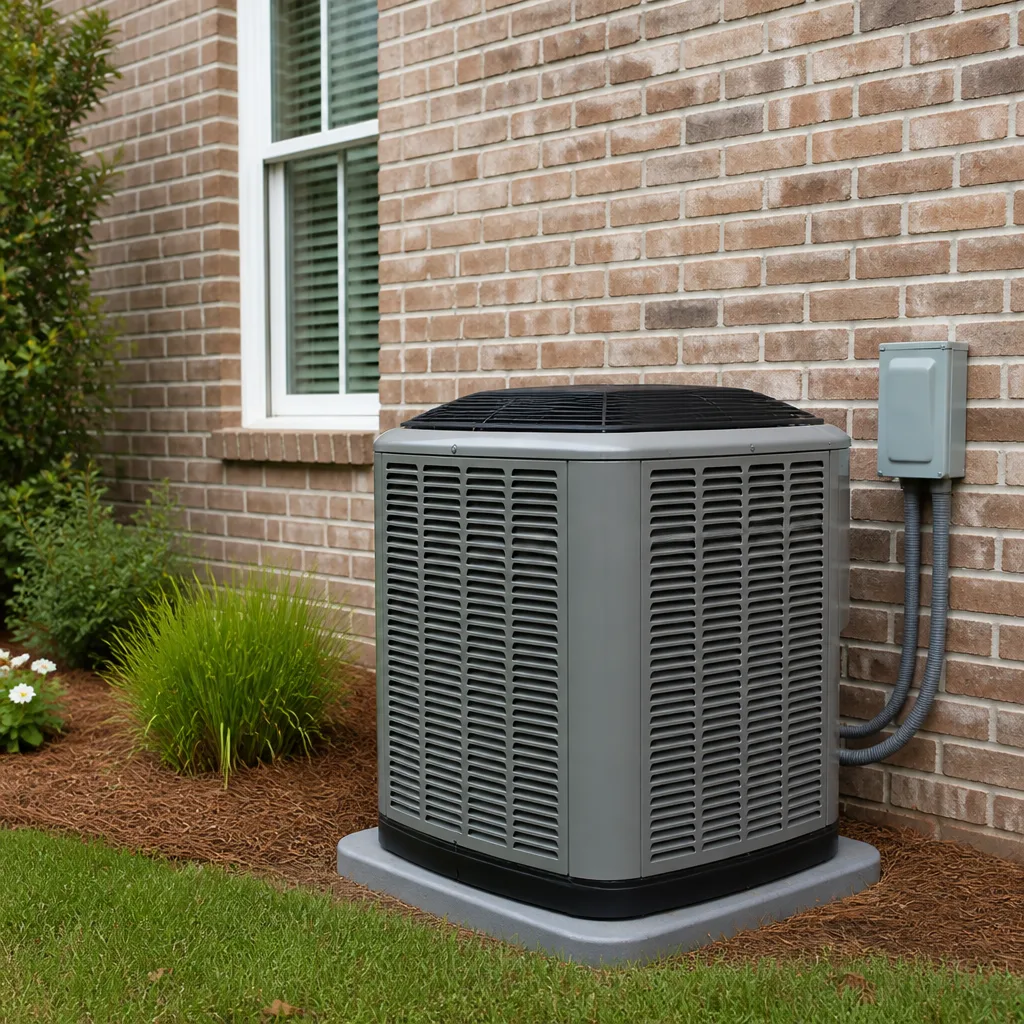 Trane
Trane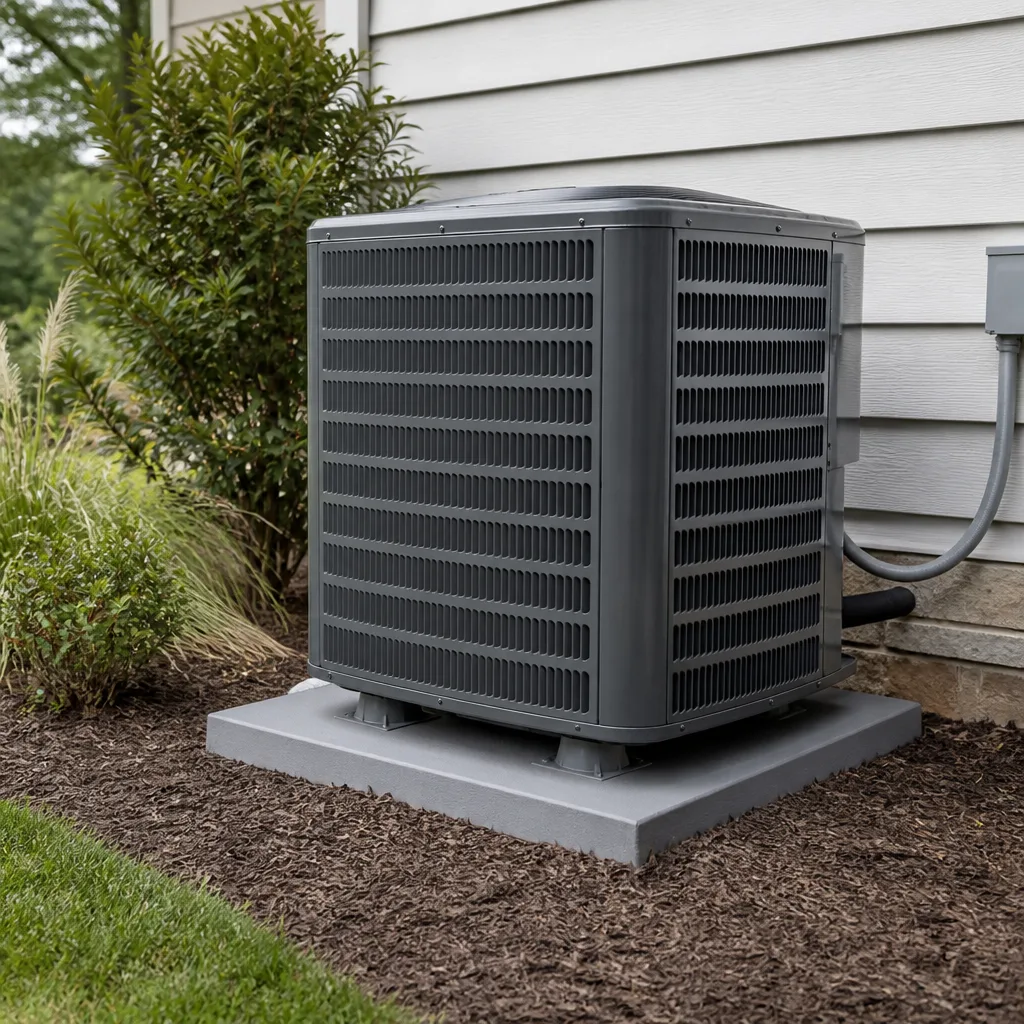 Goodman
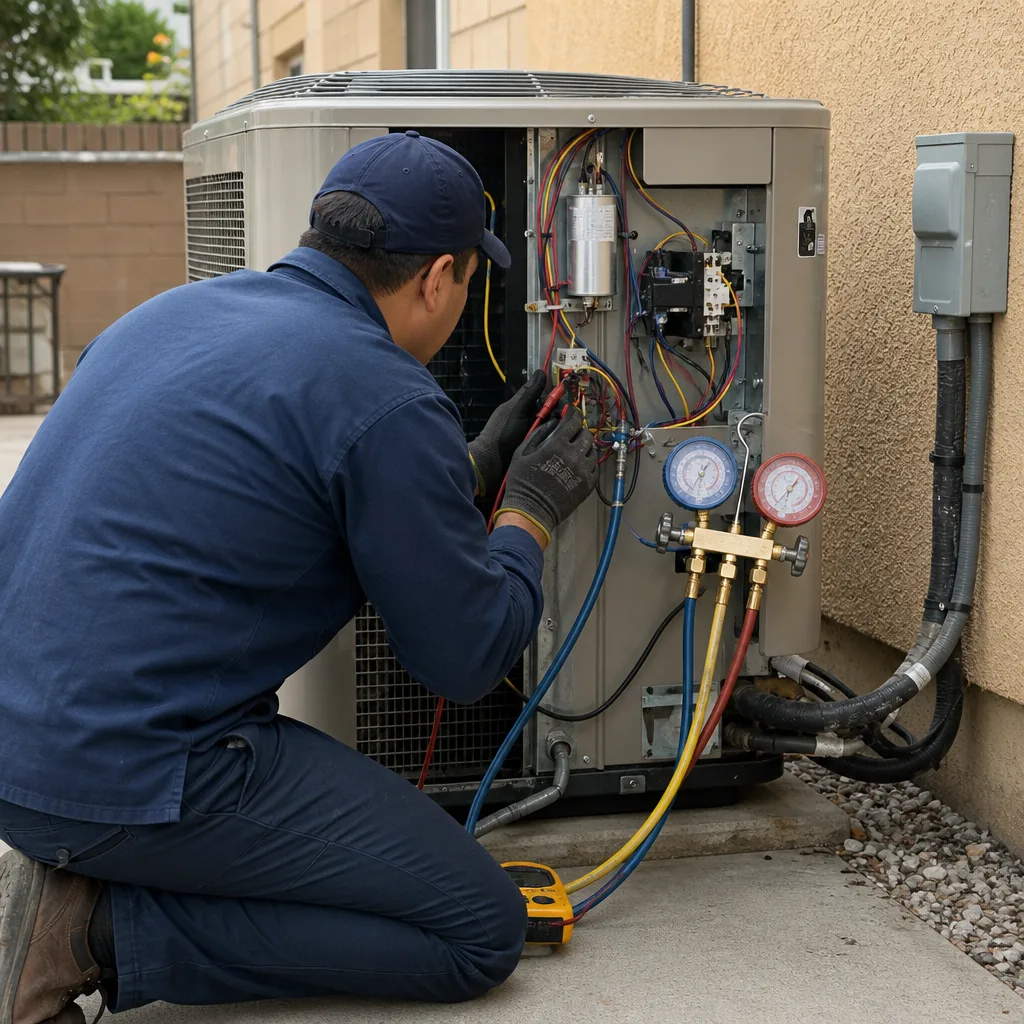
Seasonal tune-up and full diagnostic on your Carrier, Trane, or Goodman system - readings shown to you before any repair is proposed
Diagnosis first, numbers second - you approve the repair price before a single part goes in.
Get your free estimateHow to Hire a HVAC Contractor in Santa Clarita: A Step-by-Step Guide
Here’s a number that should get your attention: California requires HVAC contractors to hold a C-20 Warm-Air Heating, Ventilating and Air-Conditioning license, yet a meaningful share of heating and cooling calls across the SCV are still answered by people working without one. That’s not a paperwork technicality. If an unlicensed worker damages your equipment or your home, your homeowner’s insurance carrier can deny the claim outright because the work was performed illegally. Hiring an HVAC contractor in Santa Clarita is not about finding the friendliest voice on the phone. It’s about verifying the license, nailing down contract terms before a wrench turns, and knowing which questions force a bad operator to reveal themselves. This guide walks you through that process in order, with specifics on Santa Clarita permitting, local pricing patterns, and the exact documentation to demand.
Styles & brands we work with
Quick Answer
To hire an HVAC contractor in Santa Clarita, verify the C-20 license on the CSLB website, require a written quote that includes scope of work, total price, start and completion dates, and warranty terms, then compare bids by matching SEER2 ratings and warranty tiers rather than brand name alone. Do not release final payment until the city or county permit has been signed off. Dalton Heating & Air Santa Clarita home gives every customer a written price before work starts and a written guarantee on every repair.
Table of Contents
- Step 1: Verify the C-20 License on the CSLB Website in Under Two Minutes
- Step 2: Demand a Written Quote With Four Specific Items
- Step 3: Listen for Red Flags in the Estimate Conversation
- Step 4: Compare Bids the Right Way When Brands Differ
- Step 5: Understand Santa Clarita Permit Requirements Before Work Starts
- Step 6: Inspect the Work and Hold Final Payment Until Sign-Off
- Common Mistakes to Avoid
- When to Call a Professional
- Frequently Asked Questions
- The Bottom Line
Step 1: Verify the C-20 License on the CSLB Website in Under Two Minutes
The Contractor State License Board keeps a public database of every licensed contractor in California. You can check anyone claiming to do HVAC work in Santa Clarita before they set foot on your property, and the entire process takes less time than ordering a coffee. Here is the exact sequence:
- Go to www.cslb.ca.gov and click “Check a License” on the homepage.
- Enter the contractor’s name or license number. If you only have a company name, that works too.
- Look at the classification. You want the number to show “C-20” (Warm-Air Heating, Ventilating and Air-Conditioning). A General B license is not the same thing and does not authorize standalone HVAC work.
- Check the status field. It must say “Active.” Anything reading “Expired,” “Suspended,” or “Revoked” means the person cannot legally work in California.
- Scroll to the bottom of the page. You will see workers’ compensation insurance status and any bond information. If workers’ comp shows “Exempt” for a sole proprietor doing a large installation, ask why there is no coverage.
- Check the “Actions” section. This is where disciplinary actions, accusations, and license suspensions appear. A clean record shows no entries here.
If the person on the phone cannot produce a license number, or the number they give you comes back with a different name, that conversation is over. Santa Clarita has plenty of licensed contractors. You do not need to gamble on one who is not.
In our experience serving this valley, the unlicensed pattern follows a predictable script: a low price offered quickly, a request for cash or a large upfront deposit, and a reluctance to write anything down. The license check is the fastest way to cut that conversation short.
Step 2: Demand a Written Quote With Four Specific Items
A verbal estimate is worth about as much as a handshake in a courtroom. California law allows oral contracts for small jobs, but for HVAC work running into the thousands of dollars, you want a document. And not just any document. A legally binding written quote in this state should contain four specific elements. If any one of them is missing, the quote is incomplete and you should ask for a revised version before agreeing to anything.
The four items that must appear in a binding written quote:
- Scope of work: Exactly what will be done. “Replace furnace” is not scope. “Remove and dispose of existing Goodman 80,000 BTU furnace, install new Carrier 59TN6 80,000 BTU furnace, connect existing ductwork, modify flue as needed, test gas pressure for proper operation” is scope. Specificity is your friend.
- Total price: Not an estimate priced per hour with the final number left open. A total price, in writing, that includes labor, materials, equipment, permits, and any disposal fees. If a contractor cannot tell you the final price before work begins, they are charging you to discover their own pricing.
- Start and completion dates: This protects you from being the homeowner who gets scheduled “sometime next week” and is still waiting three weeks later. A real contractor knows their schedule. The dates in writing matter.
- Warranty terms: What is covered, for how long, and what happens if the work fails. A verbal “oh, we’ll take care of you” is not a warranty. A written guarantee that states the repair is covered for a full year and that a return visit is free if it fails, that is a warranty.
At Dalton Heating & Air, every job includes a written price before any work begins. That’s not a courtesy. It’s one term of The Garrison Standard, the operating code every Garrison Partners location has followed since 2003. The written guarantee on every repair states the terms plainly: if the fix does not hold, we come back at no charge. No fine print. No prorated nonsense.
When you compare contractors in Santa Clarita, treat the written quote as the minimum bar. If a company will not put these four items on paper before asking you to commit, whatever they say on the phone is not a commitment.
Step 3: Listen for Red Flags in the Estimate Conversation
The estimate visit tells you more than the price. How a contractor handles the conversation around the price often reveals how they will handle the job. Most bad HVAC experiences in Santa Clarita do not start with a technician doing shoddy work on day one. They start with a red flag in the first meeting that the homeowner talked themselves out of seeing.
Here are the red flags we tell Santa Clarita homeowners to watch for during the estimate:
- Reluctance to put the price in writing. The most common version sounds like this: “I can give you a ballpark, but I’ll know more once we get into it.” That translates to: the price will change at the door. A contractor who knows the trade can price the job before starting. The ones who cannot, or will not, are telling you what to expect.
- Vague “it depends” answers about warranty. When you ask what happens if the repair fails in three months, a good contractor answers in exact terms: “It is guaranteed in writing for one year. If it fails, we return at no charge.” A bad one says “well, it depends on what happened.” That is not a warranty. That is a coin flip.
- Pressure to decide same-day. Contractors who demand a yes before leaving the driveway are usually trying to stop you from getting other bids. A real professional can quote you, hand you the written price, and let you think about it. The Garrison Code, which Dalton Heating & Air operates under, requires a written price before any work begins, not a pressure tactic before you have compared.
- No mention of permits when the job needs one. In Santa Clarita, replacing a furnace or AC unit requires a mechanical permit. If the contractor never mentions permits, or offers to “skip the permit to save you money,” walk away. Permits exist to protect you, not to tax you. We’ll cover permits in more detail below.
- Cash-only pricing or a huge upfront deposit. A small deposit for a custom equipment order is normal. Being asked to pay 50 percent upfront in cash is not. That is a signal the person does not have credit lines with suppliers, which in turn signals a business with limited standing.
The estimate conversation is also where you find out who is actually showing up to your home. Dalton sends background-checked, uniformed technicians on every call. You will know the name of the person arriving before they knock. That is not a luxury. It is a basic verification step in a city where homeowners routinely open their doors to strangers with tool bags.
Step 4: Compare Bids the Right Way When Brands Differ
Here is the trap most Santa Clarita homeowners fall into: you get three bids, all with different equipment brands, and you pick the lowest number. That is not a comparison. That is a gamble. A Carrier quote at $11,000 and a Lennox quote at $9,500 are not the same system at different prices. They may not even be the same tier of equipment.
The honest way to compare HVAC bids is to normalize two variables: SEER2 rating and warranty tier. SEER2 is the efficiency rating that replaced the old SEER standard in 2023. A higher SEER2 number means lower operating cost over the life of the system. If one quote is for a 14.3 SEER2 unit and another is for a 17.5 SEER2 unit, the second quote is more expensive equipment. Comparing the prices directly is meaningless.
Here is a straightforward method to compare bids across different brands:
- Write down the SEER2 rating for each quote. If a quote does not list SEER2, ask for it. A contractor who cannot tell you the efficiency rating of the equipment they are proposing is not someone you want installing it.
- Write down the warranty tier. Most manufacturers offer a base warranty (typically 10 years on the compressor for registered units) and longer extended warranties. Some quotes include a labor warranty, some do not. Labor warranty matters because the compressor may be covered by the manufacturer while the five hours of labor to replace it cost you $1,000.
- Adjust the price to match efficiency. A rough heuristic: in Santa Clarita’s climate, improving efficiency by one SEER2 point on a typical split system adds roughly $600 to $900 to equipment cost, depending on the brand. When one quote is two SEER2 points higher but only $800 more, that quote is actually cheaper for what you are getting.
- Factor in the contractor’s own written guarantee. A $10,000 quote from a company that gives a one-year written guarantee on the installation is worth more than a $9,300 quote from a company that gives you 30 days and a voicemail box.
Dalton Heating & Air services nine major residential HVAC brands: Carrier, Trane, Lennox, Goodman, Rheem, York, Daikin, Bryant, and American Standard. That breadth matters for one practical reason: we are not trying to force you into a single brand because that is all we can sell. If you have a Bryant system that suits your house, we quote Bryant. If a Daikin heat pump fits the efficiency targets better, we quote Daikin. You can visit our Heat Pump Installation in Santa Clarita page for more on how we approach efficiency sizing.
The brand name on the condenser is less important than most homeowners think. The installation quality, the written warranty, and the contractor’s willingness to service what they sold you over the next decade are the things that actually determine whether the system lives 12 years or 18 years.
Step 5: Understand Santa Clarita Permit Requirements Before Work Starts
Santa Clarita operates under Los Angeles County building code, and the city does not treat HVAC replacements as informal swap-outs. A mechanical permit is required when you replace a furnace, an air conditioner, or a heat pump. This is not arcane bureaucracy. The permit triggers an inspection, and the inspection is the only independent verification that the work was done correctly.
Most homeowners never look at the work a contractor did behind the panel. The city inspector does. Here is what the permit process looks like for a typical Santa Clarita HVAC replacement:
- The contractor pulls the mechanical permit before work begins. The permit fee is typically built into the written quote.
- The work is performed to current California Mechanical Code standards.
- The contractor schedules an inspection with the city or county building department.
- An inspector reviews the installation: electrical connections, gas line connections, condensate drainage, equipment clearance, seismic strapping where required.
- The inspector signs off, or issues a correction notice that the contractor must address.
- You receive final sign-off documentation.
The key moment is step 6. Do not release final payment until you have the permit sign-off in hand. That sign-off is your proof the work met code. Without it, you have a contractor’s word and nothing else. If you sell the house in five years, the buyer’s inspector will ask about the permit for the newer AC unit. If there is no permit on record, that is a negotiation problem you do not want.
We have seen Santa Clarita homeowners in Saugus and Canyon Country learn this the hard way when a handyman-style “installer” finished the job, collected the check, and disappeared before any inspection happened. The homeowner saved a few hundred dollars on the front end and spent thousands correcting code violations later.
Step 6: Inspect the Work and Hold Final Payment Until Sign-Off
The job is not over when the equipment turns on. It is over when you have verified what you paid for and held final payment until the contractor’s obligations are met. This is the step most homeowners skip because, after a day of contractors in the house, everyone just wants to write the check and move on. That is exactly the wrong instinct.
Here is a post-job inspection list for any HVAC installation or major repair in Santa Clarita:
- Start the system and listen. A new furnace or AC unit should run quietly. Rattles, bangs, or hissing from the ductwork are not normal break-in sounds. They are callbacks.
- Check the thermostat operation. Set the temperature, confirm the system reaches it, and confirm the fan and compressor cycle off properly.
- Look at the equipment pad and connections. For AC condensers, the pad should be level and stable. The refrigerant lines should be insulated and not rubbing against anything.
- Check the condensate drain. For cooling work, the drain line should be sloped, secured, and dripping to a proper location. A puddle next to the furnace closet is not acceptable.
- Ask for the permit sign-off. As covered above, this is the final document that says the city inspected the work.
- Confirm the written guarantee in your hand. You should leave the job with a piece of paper that states the warranty terms in writing.
If any item on this list is not right, do not release final payment. Say it plainly: “I’ll release the balance when the permit sign-off is in hand and the drain is corrected.” A legitimate contractor will fix the issue and come back. A contractor who gets angry or threatening about the final payment is telling you what their guarantee was worth.
Dalton’s 365-Day Done Right Promise applies here. If work is not done right, we make it right. The written guarantee on every repair states the terms, and the free second visit if a repair fails is not a courtesy phone call; it is a scheduled return at no charge. That is the standard a homeowner should accept in Santa Clarita.
Common Mistakes to Avoid
Most HVAC hiring disasters in Santa Clarita are not exotic failures. They are ordinary mistakes that are easy to spot once you know what to look for. Here are the ones we see repeated most often:
- Hiring a handyman for HVAC work because the price was half. A handyman without a C-20 license cannot legally perform HVAC work in California, and if their work damages your home, your insurance can deny the claim. The savings evaporate the first time something goes wrong.
- Accepting a verbal quote and being surprised at the final bill. Every homeowner who gets burned by price-at-the-door changes has one thing in common: they never got the price in writing before work started.
- Comparing bids on price alone without normalizing SEER2 and warranty. A lower bid that is actually for lower-efficiency equipment with no labor warranty is not cheaper. It is a smaller number on a worse product.
- Releasing final payment before the permit sign-off. Once the contractor is paid in full, your leverage to fix code violations or incomplete work drops to nearly zero.
- Skipping the CSLB license check because the contractor “seemed fine.” Professional appearance and a clean truck do not mean a clean license. The check takes two minutes. Do it every time.
- Falling for same-day pressure. A contractor who insists you sign today so they can “lock in the price” is usually trying to lock you out of getting other bids. Real pricing does not expire in 24 hours.
- Not asking who is actually showing up. You deserve to know the name of the person entering your home. Dalton performs background checks and sends uniformed technicians whose names you get before arrival. That should be the baseline, not the exception.
When to Call a Professional
Some HVAC jobs are DIY-adjacent. Replacing an air filter, cleaning a condensate line with a shop vac, clearing debris from around an outdoor unit – these are reasonable homeowner tasks. But anything involving refrigerant, gas lines, electrical connections, or the sealed components of a furnace or heat pump is not a learning opportunity. It is a safety issue. Refrigerant is pressurized and regulated. Gas connections done improperly create carbon monoxide risk. Electrical work inside a panel can kill you. When a Santa Clarita homeowner calls us about a furnace that runs but does not heat, or an AC unit blowing warm air, the best move is a professional diagnosis, not a YouTube tutorial.
Dalton Heating & Air Santa Clarita offers free estimates in Santa Clarita. If you are not sure whether your issue is minor or serious, call (661) 621-3712 and describe what you are seeing. A real person answers, 24/7.
Frequently Asked Questions
Most HVAC repairs in Santa Clarita run between $150 and $450, depending on the part and the system. Simple fixes like capacitor replacement or contactor replacement land at the lower end, while blower motors, control boards, and refrigerant work can push toward the higher end. AC Repair in Santa Clarita includes a written price before any work begins, so the number you agree to is the number you pay. Call (661) 621-3712 for an exact quote on your system.
Yes. Santa Clarita requires a mechanical permit for furnace, AC, and heat pump replacements, and the permit inspection is the independent verification that the work meets California Mechanical Code. A contractor who offers to skip the permit is asking you to forfeit your safety inspection and create a problem for future resale.
Most furnace repairs are completed in under two hours once the technician diagnoses the issue. Common repairs like ignitor replacement, flame sensor cleaning, and thermostat replacement are same-day jobs. Furnace Repair in Santa Clarita is our fastest-moving page for homeowners without heat. Call (661) 621-3712 and a live person will schedule you.
A legally binding written quote in California should include four items: scope of work (exactly what will be done), total price (all-inclusive), start and completion dates, and warranty terms. Any quote missing one of these four is incomplete, and you should ask for a written revision before agreeing.
The standard threshold is this: if the repair costs less than a third of a new system’s price, repair makes sense. If it costs more than half, replacement starts to make sense. Between those numbers, the age of the system matters more than the repair cost. A 15-year-old furnace with a failed heat exchanger should be replaced; a 6-year-old system with a failed capacitor should be repaired. We can walk you through the numbers for your specific system.
Dalton Heating & Air services all nine major residential HVAC brands: Carrier, Trane, Lennox, Goodman, Rheem, York, Daikin, Bryant, and American Standard. Our technicians are factory-trained across those lines, which means we diagnose by the manufacturer’s specifications rather than guessing. Call (661) 621-3712 to schedule.
The Bottom Line
Hiring an HVAC contractor in Santa Clarita comes down to documentation. The license proves the person can legally do the work. The written quote proves the price will not shift. The written warranty proves the work will stand up. The permit sign-off proves it all passed inspection. A contractor who provides all four without being asked is the one you hire. A contractor who resists any of them is the one you walk away from. Dalton Heating & Air has operated under The Garrison Standard since 2003 because those four things are not sellable add-ons. They are the baseline. If you are planning HVAC work in Santa Clarita, explore our more guides & resources or call (661) 621-3712. We will put the price in writing before any work begins, and we will stand behind the work for a full year.
Written by Marco Benitez, Owner at Dalton Heating & Air Santa Clarita, serving Santa Clarita since 2003.
See the difference
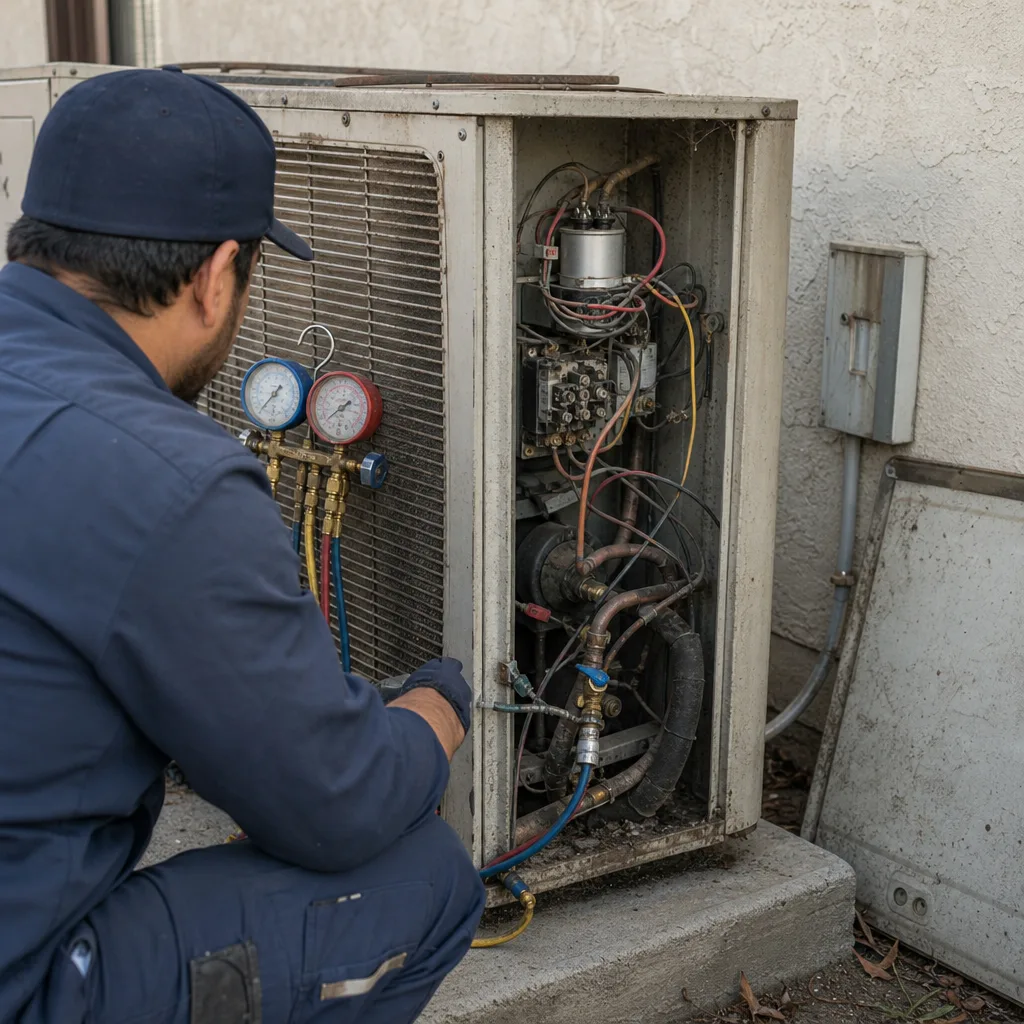 Before
 After
After Before
 After
After Before
 After
After