
Last updated October 16, 2026
 AC repair
 Furnace & heating
 Heat pumps
 Ductless mini splits
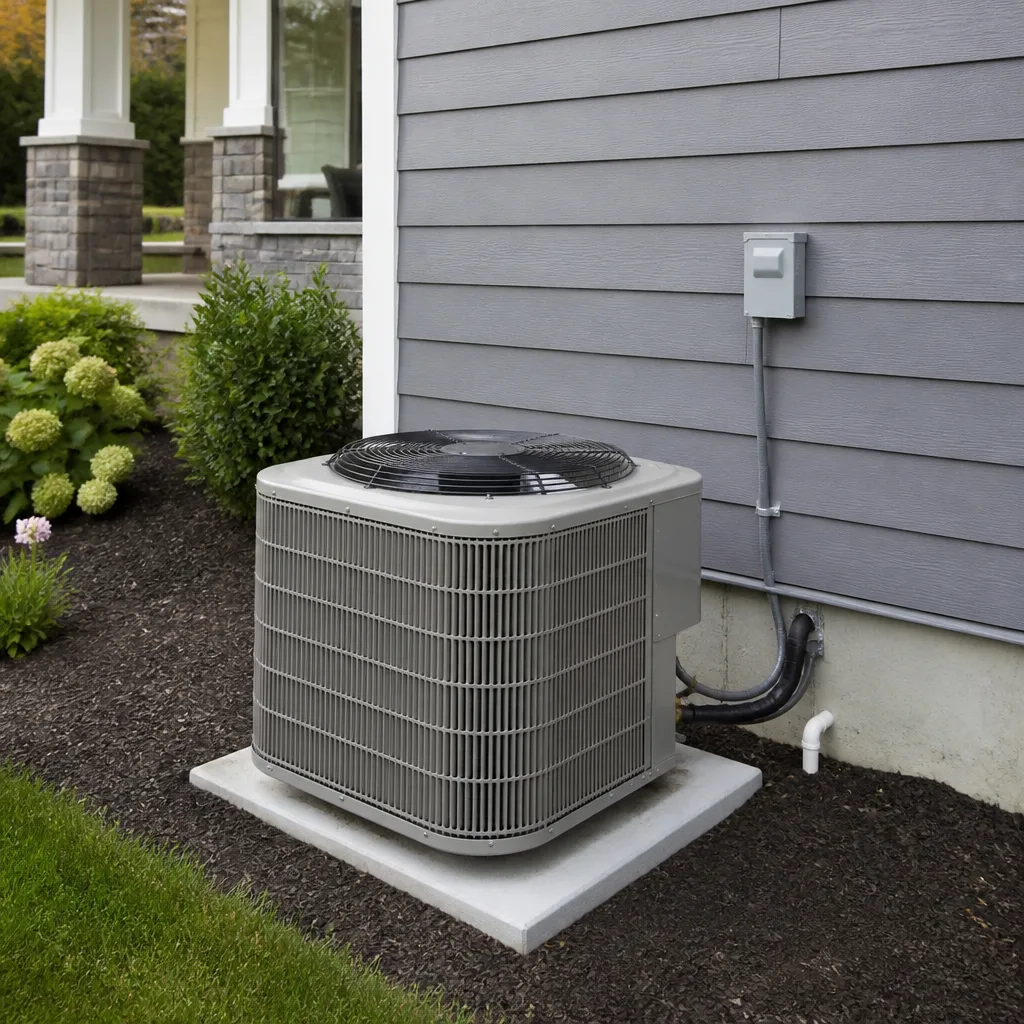 Carrier
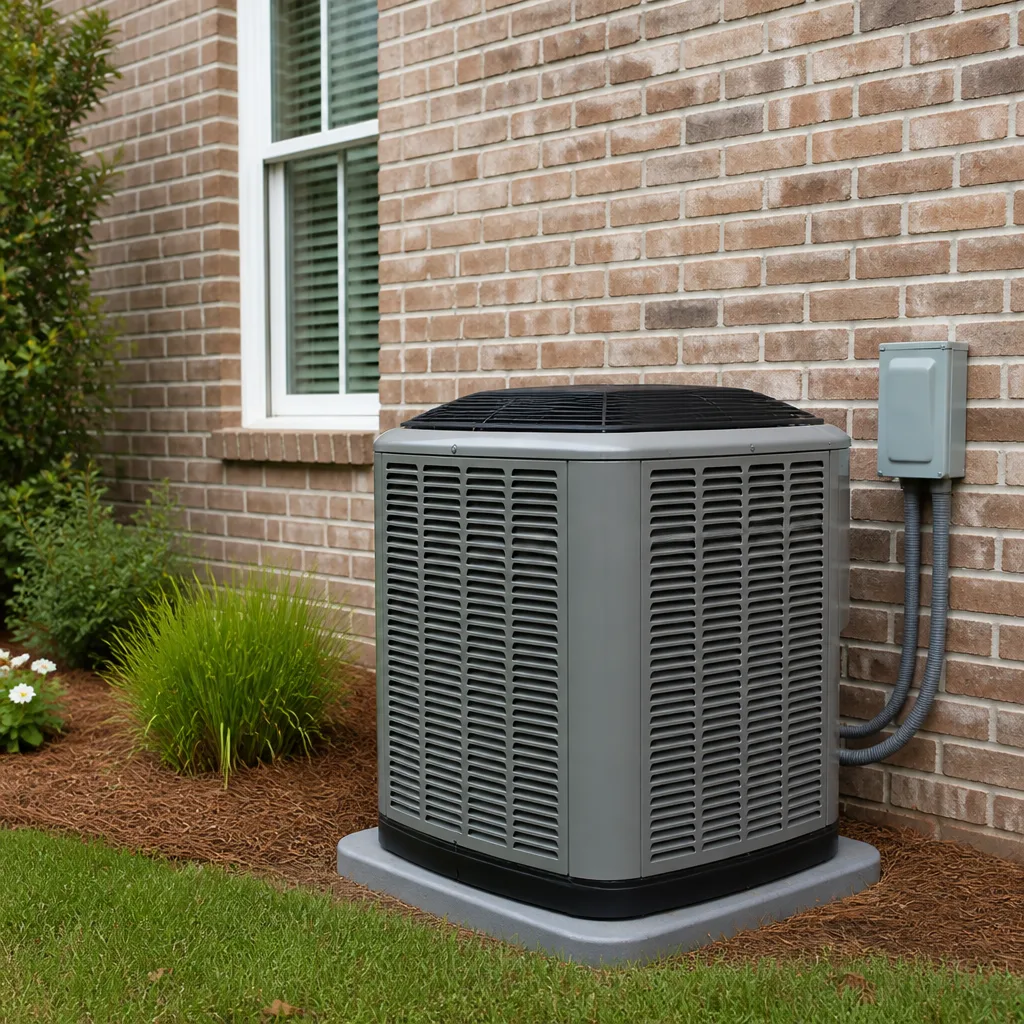 Trane
Trane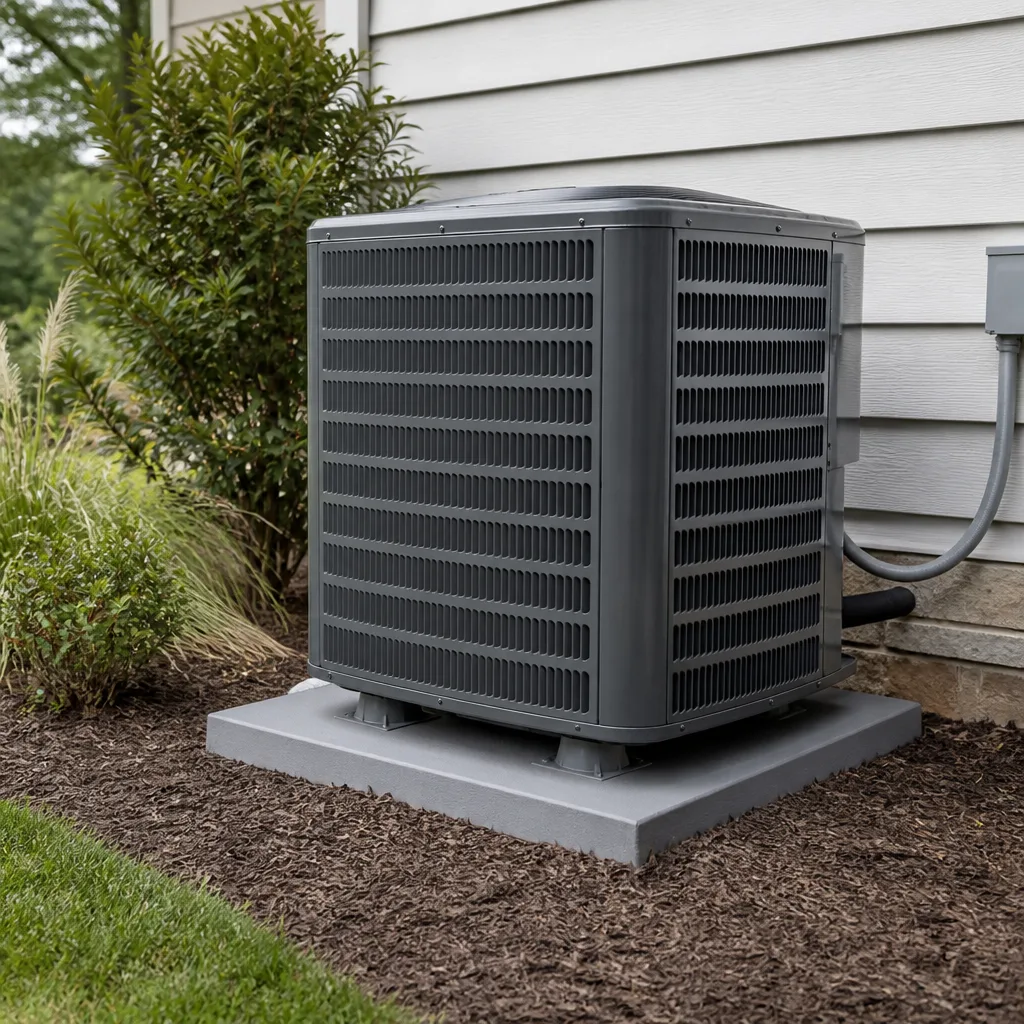 Goodman
Seasonal tune-up and full diagnostic on your Carrier, Trane, or Goodman system - readings shown to you before any repair is proposed
Diagnosis first, numbers second - you approve the repair price before a single part goes in.
Get your free estimateDIY vs Professional HVAC: The Santa Clarita Homeowner’s Decision Guide
Replacing your own capacitor is legal and straightforward. Recharging your own refrigerant is a federal EPA violation with fines up to $44,539 per day. Most DIY HVAC videos on YouTube do not draw that line, and that omission gets Santa Clarita homeowners into real trouble. This guide maps exactly where that line sits under California and federal rules, what a competent homeowner can safely handle in our climate, what insurance policies actually void, and how to hire a HVAC contractor in Santa Clarita and brief them so you stop paying for diagnosis time you could have shortened yourself.
Styles & brands we work with
Quick Answer
DIY HVAC work in Santa Clarita is legal for basic maintenance like filter swaps, thermostat batteries, coil rinsing, and condensate drain clearing. Anything involving refrigerant, gas lines, electrical panel connections, or equipment replacement requires either an EPA 608 certification or a California C-20 contractor license, and doing that work unlicensed voids most home insurance coverage. The practical answer for most local homeowners: handle the five safe tasks yourself, call a licensed pro for everything else, and keep documentation of both.
Table of Contents
- The Legal Landscape: What’s Yours and What’s Not
- The Five Tasks That Are Genuinely Safe DIY
- The Insurance Clause That Voids Your Coverage
- The Real Cost-Benefit Table: DIY vs Professional
- How to Brief a Technician Efficiently After You’ve Troubleshot
- Santa Clarita-Specific Factors That Change the Math
- Common Mistakes to Avoid
- When to Call a Professional
- Frequently Asked Questions
- The Bottom Line
The Legal Landscape: What’s Yours and What’s Not
California is more restrictive on HVAC work than most states, and federal EPA rules layer on top of that. Santa Clarita homeowners doing unlicensed work are not just risking a bad repair. They are risking fines, permit violations on a property they may one day sell, and insurance claims that get denied. Here is the definitive list.
Legal for Homeowners – No License, No Permit, No Certification Required
- Air filter replacement: Unrestricted. Buy any MERV rating your system can handle and swap it.
- Thermostat battery replacement and basic programming: Unrestricted.
- Condenser coil rinsing with water: Legal. No chemicals that fall under refrigerant handling rules.
- Condensate drain clearing with a wet-vac or pipe brush: Legal. This is plumbing maintenance, not refrigerant work.
- Low-voltage thermostat swaps (two-wire or common-wire, no line voltage): Legal. Kill power at the breaker first.
- Breaker resets and basic visual inspection: Legal. You can look. You can flip a tripped breaker. You cannot rewire.
Requires EPA 608 Certification – Illegal for Uncertified Homeowners
EPA Section 608 governs anything that could release refrigerant into the atmosphere. The fine structure changed in 2020. The maximum penalty is now $44,539 per day, per violation, and the EPA has pursued individual homeowners, not just contractors. Specifically:
- Adding refrigerant to a system (recharging): Requires EPA 608. Even buying refrigerant legally requires showing your certification card.
- Recovering refrigerant before opening a line set or coil: Requires EPA 608. You cannot legally cut a line and vent it. That is an automatic violation, even if the system is dead.
- Installing or removing any component that touches the sealed refrigerant system: compressor, evaporator coil, condenser coil, line set, reversing valve. All EPA 608 work.
- Disposing of an old AC unit or heat pump without documented refrigerant recovery: Illegal under federal law. Santa Clarita transfer stations will not accept a unit unless a certified tech has signed off on recovery.
Requires a California C-20 License – Illegal for Anyone Without It
California’s Contractor State License Board issues the C-20 Warm-Air Heating, Ventilating and Air-Conditioning Contractor license. Anything beyond the five safe DIY tasks above falls under C-20 territory. The hot-button items where homeowners get sideways:
- Furnace replacement or installation: Requires C-20 and a mechanical permit pulled with the City of Santa Clarita.
- Any gas-line connection or modification: This is a C-20 and sometimes C-36 plumbing issue. Unlicensed gas work is one of the fastest ways to get a red tag from SoCalGas or the city inspector.
- Ductwork modification or replacement: Requires a permit and C-20. Duct design mistakes are not a code violation so much as an energy and airflow disaster.
- Electrical panel work to support new equipment: This sits in C-10 electrical territory, which sits outside even a licensed HVAC contractor’s scope unless they hold that add-on.
- Heat pump installation: Same as furnace work. C-20, permit, and a load calculation (Manual J) required by California Title 24 building energy standards.
If you are still unclear, the rule we give Santa Clarita homeowners is simple: if the repair touches refrigerant, natural gas, the electrical panel, or structural ductwork, it is not a DIY job. No amount of YouTube confidence changes what the CSLB and EPA will cite you for.
Need a licensed touch on a job that is past DIY? AC Repair in Santa Clarita runs strictly by the book – C-20 licensed, EPA certified, permit pulled every time one is required.
The Five Tasks That Are Genuinely Safe DIY for a Santa Clarita Homeowner
We tell homeowners this directly: there are five tasks you should do yourself, not because it saves a service call, but because doing them regularly extends equipment life and catches problems before they become failures. None require special tools beyond what a competent homeowner already owns. Here they are, in order of frequency.
1. Air Filter Replacement (Every 30 – 90 Days Depending on Season)
Santa Clarita’s air is dry and dusty, especially May through October when the Santa Anas kick up particulate from the foothills. During those months, a 1-inch filter can clog in 30 days. Buy MERV 8 – 11 for most systems. Anything higher restrictive rating can choke airflow on older equipment. Note the airflow arrow direction on the filter frame. That is the entire job.
2. Thermostat Battery and WiFi Programming
Most smart thermostats run on C-wire power, but battery models still exist. If your display flickers, dims, or resets, replace the batteries and reprogram your schedule. For WiFi units, firmware updates occasionally reset the schedule. Check it monthly during peak season. A thermostat calling for cooling at the wrong time costs more than the repair you were trying to avoid.
3. Condenser Coil Rinse (Spring and Fall)
Your outdoor unit sits in Santa Clarita dust eight months of the year. Cottonwood, dust, and dry grass clippings pack into the coil fins and choke heat transfer. Kill power at the disconnect box near the unit, remove the fan guard if needed, and spray the coil from inside outward with a garden hose – gentle water pressure only. High pressure folds the fins flat and reduces airflow permanently. Do this twice a year: once before summer cooling demand, once after the Santa Ana season.
4. Condensate Drain Clearing (Every 60 Days in Cooling Season)
Your indoor coil produces condensate, which drains through a PVC line, usually to outside. That line grows algae and dust sludge in our dry climate, and when it clogs, the drain pan overflows. You see water on the ceiling or floor near the air handler. Attach a wet-vac to the drain exit outside, pull the blockage backward, then run a cup of white vinegar down the cleanout to slow regrowth. Schedule this every 60 days from May to October.
5. Visual and Audible System Checks
Stand next to the outdoor unit for five minutes while it runs. Listen for hissing, banging, or a compressor that short-cycles (starts and stops every few minutes). Look at the line set insulation for cracks. Watch the indoor unit for condensation where it should not be. Write down what you find, when, and under what conditions. That log is worth real diagnosis time when you do call.
These five tasks cover roughly 80% of what Santa Clarita homeowners actually attempt as DIY HVAC work, and they are all legal, safe, and genuinely useful. The other 20% – the tempting stuff – is where the trouble starts.
The Insurance Clause That Voids Your Coverage
Homeowners insurance policies in California contain language most people never read until a claim is denied. The clause that matters for HVAC DIY work lives in the Section I – Exclusions portion of a standard HO-3 policy, and the relevant wording is usually a variation of:
“Neglect, meaning failure to use reasonable and prudent means to preserve the property at the time of loss, or failure to protect the property from further damage.”
And more pointedly:
“Faulty, inadequate or defective planning, zoning, development, surveying, siting, design, specifications, workmanship, repair, construction, renovation, remodeling, grading or compaction.”
Here is what that language does in practice when unlicensed work causes damage:
- Unlicensed refrigerant work causes a compressor burnout or fire: The adjuster asks who did the work. If the answer is “I did,” the claim is denied for faulty workmanship. If you paid a handyman without a license, the claim is denied and the contractor is not on the hook because the CSLB gave you no recourse.
- Unlicensed gas-line work causes a leak or fire: The denial is immediate and often non-negotiable. Gas work without a permit and license is treated by carriers as willful negligence, not an accident.
- Unlicensed electrical work causes arc-fault damage: Same exclusion. And in Santa Clarita, where older neighborhoods like Canyon Country and Saugus have aging panels, the risk of an unlicensed touch causing a fault is not hypothetical.
- Equipment damage during DIY repair: You cracked a coil trying to replace a fan motor. Not covered. The equipment repair itself is never covered by homeowners insurance, but the water or fire damage from the failed attempt is also excluded because the originating cause was your unlicensed work.
How to Find This Clause in Your Own Policy
- Pull your full policy document, not the declarations page.
- Search for the string “faulty workmanship” or “faulty, inadequate or defective.”
- Read the entire paragraph. The wording is dense, but the key phrase is that the insurer will not pay for loss caused by that faulty work, even if the resulting damage (fire, water, mold) would otherwise be a covered peril.
- If your policy has an endorsement that modifies this exclusion, read the endorsement carefully. Most do not.
- Call your agent and ask the direct question: “If an unlicensed person does HVAC work on my home and it causes a fire, is the fire damage covered?” Get the answer in writing.
This is not a scare tactic. It is the single most overlooked consequence of DIY HVAC work in California, and it is why the decision frame should be legal exposure, not skill level. A mechanically gifted homeowner can still burn down a house with a bad gas connection, and the insurance carrier does not care how handy you are.
The Real Cost-Benefit Table: DIY vs Professional
The economic argument for DIY HVAC work falls apart under scrutiny for everything beyond the five safe tasks. For a detailed HVAC cost breakdown for Santa Clarita homeowners, here is a realistic comparison table for the most common jobs local residents attempt themselves.
| Task | DIY Part Cost | DIY Risk Level | DIY Time | Pro Cost Range | Pro Risk Level | Pro Time | Written Guarantee? |
|---|---|---|---|---|---|---|---|
| Capacitor replacement | $15 – $40 | Moderate (stored charge can shock) | 45 min | $150 – $250 | Zero | 30 min | Yes – full year |
| Contactor replacement | $20 – $45 | Moderate (live line voltage) | 60 min | $175 – $275 | Zero | 40 min | Yes – full year |
| Condensate drain clear | $0 – $25 (wet-vac and vinegar) | Low | 30 min | $125 – $200 | Zero | 45 min | Yes – full year |
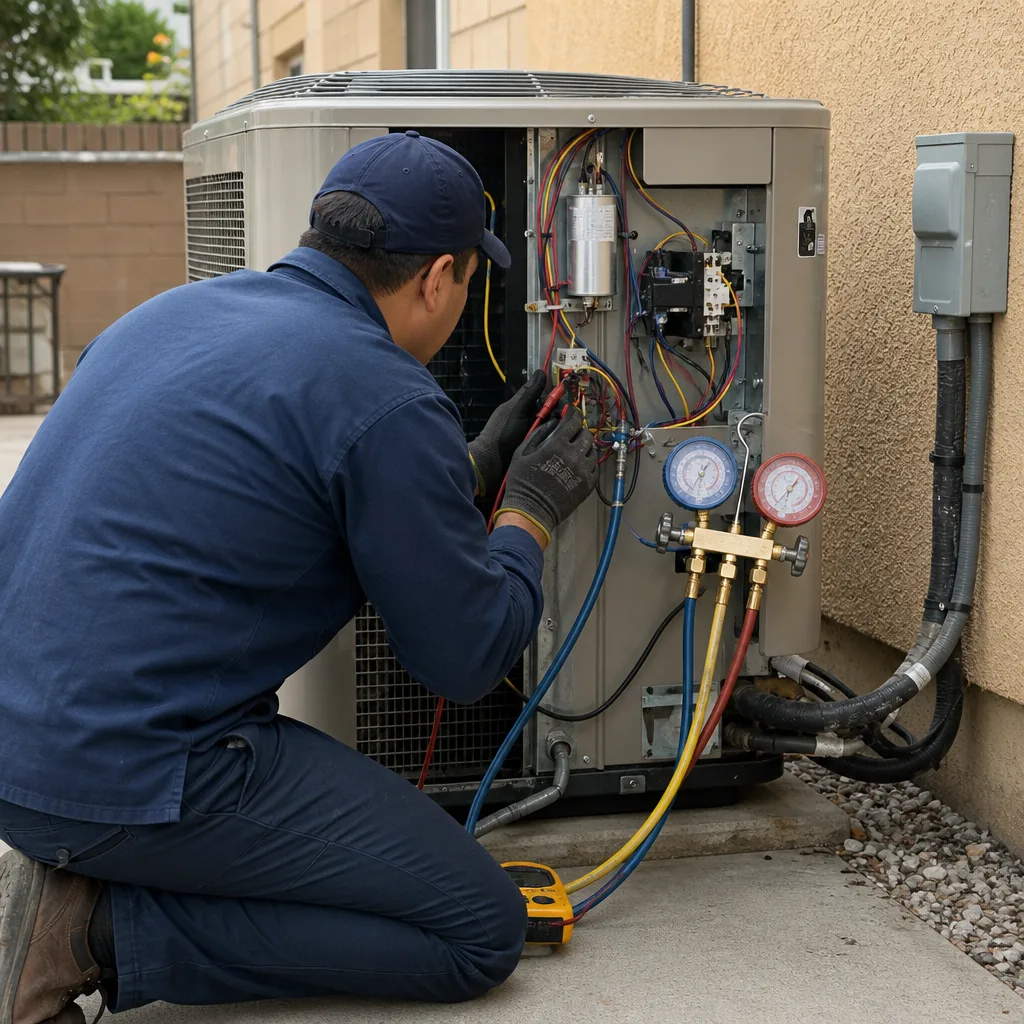
| Refrigerant leak repair + recharge | Illegal without EPA 608; part cost moot | Severe (federal fines, frostbite, equipment destruction) | N/A | $400 – $1,200 depending on leak location | Zero | 2 – 4 hours | Yes – full year |
| Thermostat replacement (low-voltage) | $25 – $150 | Low (kill power first) | 30 min | $150 – $300 installed | Zero | 45 min | Yes – full year |
| Furnace gas valve replacement | Illegal without C-20; part cost moot | Severe (gas leak, carbon monoxide, fire) | N/A | $350 – $650 | Zero | 1 – 2 hours | Yes – full year |
Read the table closely. The DIY-friendly jobs are the ones where the professional fee is mostly labor and the part is cheap – capacitor, contactor, thermostat. The math tempts you. But the capacitor column hides the real cost: a dual-run capacitor stores 370 – 440 volts even after the unit is off. Touch the wrong terminal and you get a shock that can injure or kill. The professional fee includes the discharge procedure, the diagnosis to confirm the capacitor was actually the failed part (and not a symptom of a dying compressor), and a written guarantee that if it fails again inside a year, the return visit is free. The real comparison is not $40 vs $250. It is $40 plus your emergency room copay or worse, against $250 with a 365-day guarantee.
For refrigerant, gas valve, and any sealed-system work, there is no DIY column worth calculating. The part cost is irrelevant when the act of doing the work is a federal violation or a gas-line hazard. That is the line most YouTube tutorials blur. If the video shows a manifold gauge set and a jug of refrigerant, click away. You are watching someone commit a crime that carries a $44,539 per day fine.
How to Brief a Technician Efficiently After You’ve Done Preliminary Troubleshooting
Homeowners who do the five safe DIY tasks accrue real diagnostic value. The problem is they rarely deliver it in a form that shortens the tech’s time on site. Here is the briefing format that does.
The Four-Item Brief
- Symptom onset date: “Started June 19.” Not “sometime last week.” A specific date anchors the timeline against recent weather, power events, or system age.
- Runtime behavior: “Unit runs 20 minutes, shuts off, tries again in 5.” Or “runs continuously and never reaches set point.” Or “fan runs but compressor does not.” These are specific failure signatures that point to different components – contactor, capacitor, refrigerant charge, or controls.
- Error codes or thermostat behavior: “Thermostat displays E4” or “the schedule resets itself every night.” Write down the exact code. Do not clear it. The tech needs to see it.
- What you already did: “Replaced filter on June 20. Rinsed coil June 21. Vacuumed drain line June 22. Problem unchanged.” This eliminates three variables and spares you paying for diagnosis time on work already done.
That four-item brief typically cuts 20 – 45 minutes off a diagnostic visit, because the tech is no longer starting cold. In our experience across Santa Clarita, a homeowner who delivers the four-item brief gets a tighter, lower bill than one who says “it’s just not cooling right.” The technician respects the preparation and spends their time on the actual fault, not the elimination process you already handled.
Here is the format we recommend, verbatim:
“Started June 19. Compressor runs about 20 minutes then shuts off. Thermostat reading E4. Replaced the filter June 20, rinsed the condenser coil June 21, cleared the condensate line June 22. Problem is unchanged.”
Print it. Text it. Say it. It works.
Looking for a Furnace Repair in Santa Clarita tech who will actually read that brief? Dalton’s technicians arrive with your notes in hand and your time respected.
Santa Clarita-Specific Factors That Change the Math
Generic DIY-vs-pro advice ignores local reality. Santa Clarita is not San Diego, and not Bakersfield. Our climate, housing stock, and municipal processes change the calculation.
The Heat Profile Changes Duty Cycles
Santa Clarita summers routinely push 95 – 110°F from June through September, with overnight lows that barely dip below 70. Your system runs harder and longer than an LA coastal system of the same size. That accelerated duty cycle means components wear faster. Capacitors, contactors, and fan motors fail more often here than in cooler coastal microclimates. The practical effect: the repair you do yourself will likely be needed again sooner than the national average suggests, and the repair a pro does should carry a guarantee long enough to actually matter. A 30-day guarantee is worthless in our climate. Three to six months is meaningful. A full year is the standard we hold.
The Santa Ana Dust Load
Between September and November, the Santa Ana winds push fine particulate from the Mojave and the foothills into every gap of your outdoor unit. Coils that ran clean in August are packed by late October. For DIY maintenance, this means the fall coil rinse matters more than the spring one. For professional calls, it means a tech who does not check static pressure and coil condition in October is guessing. The dust load also shortens filter life dramatically – a 90-day filter in Canyon Country during Santa Ana season can be shot in 30 days.
Permit Reality in the City of Santa Clarita
The City of Santa Clarita requires mechanical permits for furnace replacement, heat pump installation, and ductwork changes, so understanding HVAC permits, codes & inspections in CA is essential before starting any project. The permit process triggers an inspection, and an inspector will check for the elements most DIYers get wrong: combustion air requirements, flue vent clearances, condensate drainage routing, and Title 24 energy compliance. Sell the house later, and the buyer’s inspector will ask for permit records on any HVAC replacement. A system replaced without a permit becomes a negotiation point or a liability at sale. The pro route includes the permit and the inspection record. The DIY route does neither.
Older Housing Stock in Canyon Country and Saugus
Many homes in the older parts of Dalton Heating & Air Santa Clarita home service territory run original ductwork and panels from the 1970s and 1980s. Those systems were sized for cooler design temperatures than our current summers. DIY work on an undersized, aging system often makes problems worse because the real issue is capacity, not a single failed part. A pro doing a load calculation can tell you the truth: sometimes the right repair is not a repair at all, and that conversation is worth the service call fee.
Common Mistakes to Avoid
- Watching a YouTube video and assuming the editing means it is legal. Most DIY HVAC videos are filmed in states with looser rules than California, by people who do not mention EPA 608 or C-20 licensing. The video shows a repair. It does not show the fine.
- Buying refrigerant online without a certification. Legitimate refrigerant suppliers require a 608 card number at checkout. Sites that do not ask are either selling contaminated product or selling to a market the EPA is actively policing. Both paths end badly.
- Attempting a capacitor swap without discharging the old one. A dual-run capacitor holds enough charge to injure or kill even after the breaker is off. The screwdriver-across-the-terminals move is a real procedure when done by a trained tech with the right tool. It is not a trick to try from a video.
- Clearing a drain line with compressed air. High-pressure air can blow apart weak PVC joints inside the wall, turning a $150 drain clear into a $1,500 drywall repair. Use a wet-vac or a pipe brush, never compressed air.
- Over-tightening the filter or access panel. Homeowners regularly crack the plastic filter frame or the coil cabinet by cranking screws past hand-tight. The air handler is sheet metal, not a wheel lug.
- Ignoring the “system works but is running nonstop” signal. In Santa Clarita heat, a system that never shuts off is often low on refrigerant from a slow leak, not “just doing its best.” Adding refrigerant is EPA 608 work. Calling early stops the leak before it takes the compressor with it.
- Doing gas work on a furnace without a license and a permit. Gas valve, manifold, burner assembly, flue work. All C-20 and permit territory. The risk is not a fine. The risk is carbon monoxide in a bedroom or a flash fire in the mechanical closet.
When to Call a Professional
Call a licensed pro when the job touches refrigerant, gas, the electrical panel, or structural ductwork. Call when you hear a hissing sound from the line set. Call when the thermostat displays an error code you cannot clear and the system will not run. Call when you have already done the five safe tasks and the problem is unchanged – that is a real fault, not a filter. Call when the system is over 15 years old and decisions are about replacement rather than repair. And call before you sell the house to have the system documented as professionally maintained. Heat Pump Installation in Santa Clarita requires permits and load calculations; do not shortcut it. Dalton Heating & Air Santa Clarita offers free estimates throughout Santa Clarita – call (661) 621-3712 and a live person answers.
Frequently Asked Questions
Yes, for a narrow set of tasks: filter replacement, thermostat battery and programming, low-voltage thermostat swaps, condenser coil rinsing with water only, and condensate drain clearing. Everything else – refrigerant handling, gas work, electrical panel work, equipment replacement – is illegal for an unlicensed homeowner under EPA 608 and California C-20 licensing rules.
The EPA can fine up to $44,539 per day per violation under Section 608 of the Clean Air Act. Enforcement has targeted individual homeowners, not only contractors. The fine is the penalty. The homeowner is then also out the cost of a legitimate repair. Call (661) 621-3712 for a licensed recharge – the fine math is not worth it.
Nearly always no. Standard HO-3 policies exclude damage caused by faulty workmanship, and unlicensed work is treated as willful negligence by most California carriers. The originating DIY work voids the claim even when the resulting fire, water, or mold damage would otherwise be a covered peril. Check your policy’s “faulty, inadequate or defective” exclusion for the exact language.
The part costs $15 – $40 at retail. A professional replacement runs $150 – $250 and includes diagnosis to confirm the capacitor was the actual failure, proper discharge of the stored charge, installation, and a written guarantee. Most standalone capacitors in Santa Clarita’s heat fail every 5 – 7 years, so the professional route includes coverage when it happens again.
Low-voltage thermostat swaps are legal and safe for a homeowner who kills power at the breaker and follows the wiring diagram with care. Line-voltage thermostats on some electric furnaces are a different animal – if you are unsure whether your system is low-voltage or line-voltage, call a pro. For a low-voltage swap, a model from Rheem, York, Daikin, or Bryant’s compatible smart thermostat line works well with most modern systems, and Dalton services all of them post-installation.
Do the five safe tasks on a schedule: filter every 30 – 90 days depending on Santa Ana dust load, coil rinse spring and fall, drain clear every 60 days in cooling season, thermostat check monthly, and a five-minute run observation weekly. Call a pro for the seasonal check-up that tests refrigerant levels, electrical connections, and combustion safety. That split catches most problems before they become repairs. Dalton Heating & Air Santa Clarita offers free estimates – call (661) 621-3712 to schedule.
The Bottom Line
DIY HVAC work in Santa Clarita is not a skill question. It is a legal and financial one. The five safe tasks – filter, thermostat battery, coil rinse, drain clear, and visual checks – are genuinely yours to do, and doing them well extends equipment life and lowers repair bills. Everything beyond that line, especially refrigerant, gas, electrical, and replacement work, carries fines up to $44,539 per day, insurance claim denials, and real safety risk. The best Santa Clarita homeowners split the work deliberately: own the maintenance, brief the pro on the rest, and keep written guarantees on every paid repair. For more guides & resources on maintaining your system and working with contractors, explore our blog. That is the discipline that keeps you out of trouble and your system running through every 105-degree July we get.
Written by Marco Benitez, Owner at Dalton Heating & Air Santa Clarita, serving Santa Clarita since 2003.
See the difference
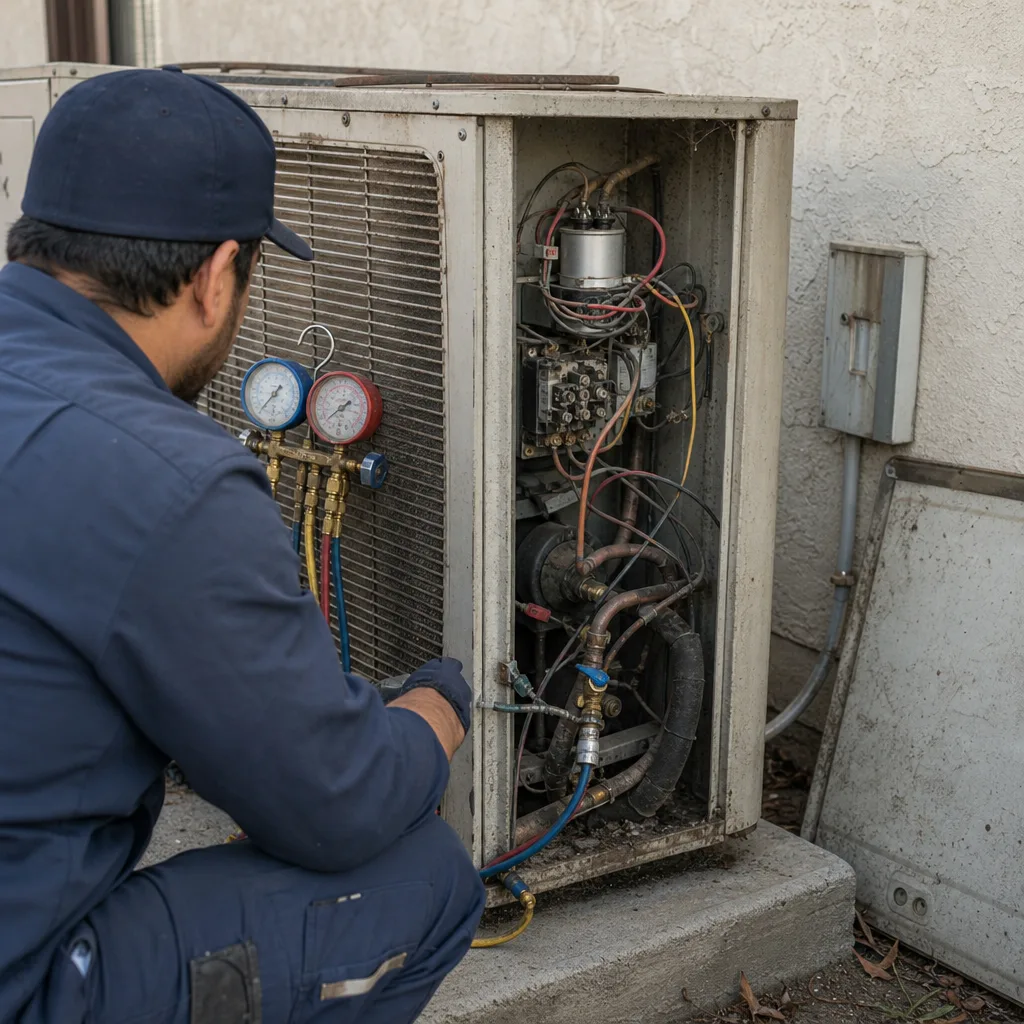 Before
 After
After Before
 After
After Before
 After
After