
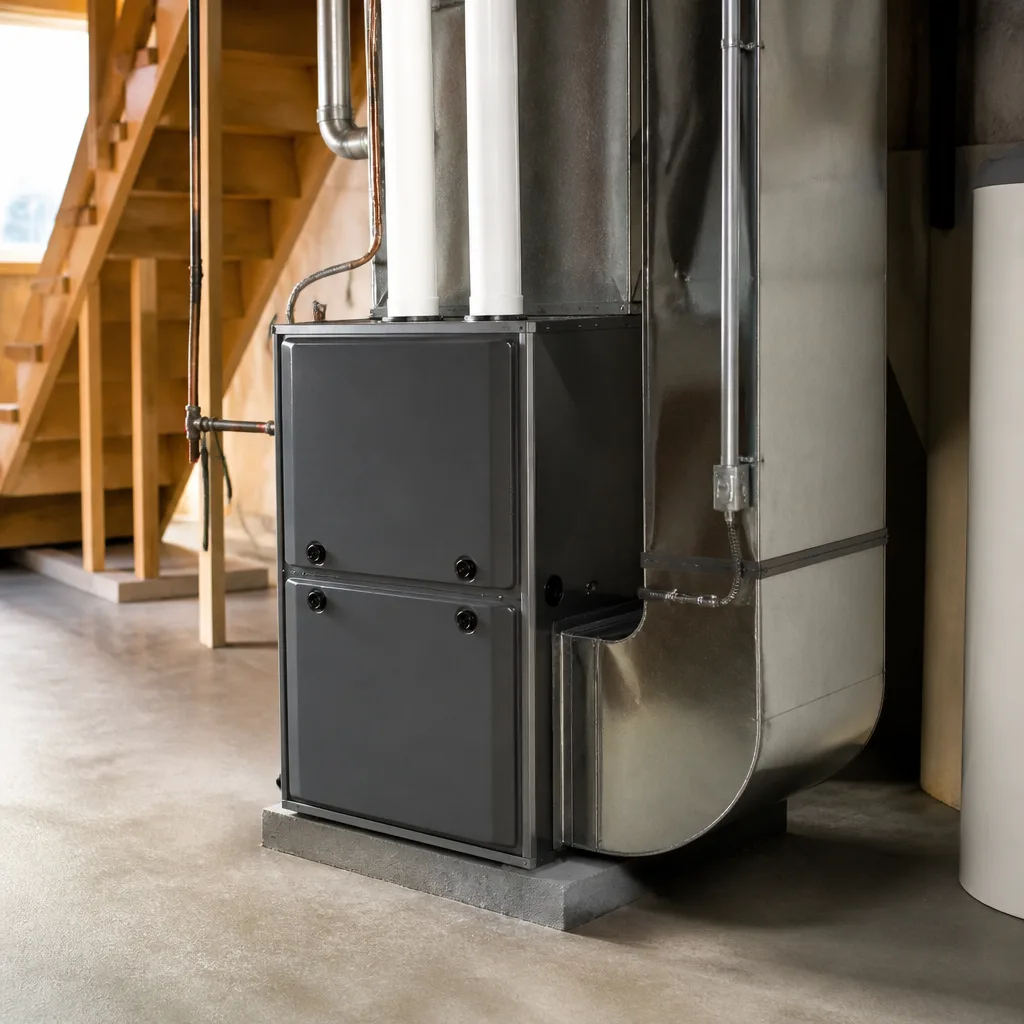
 Furnace & heating
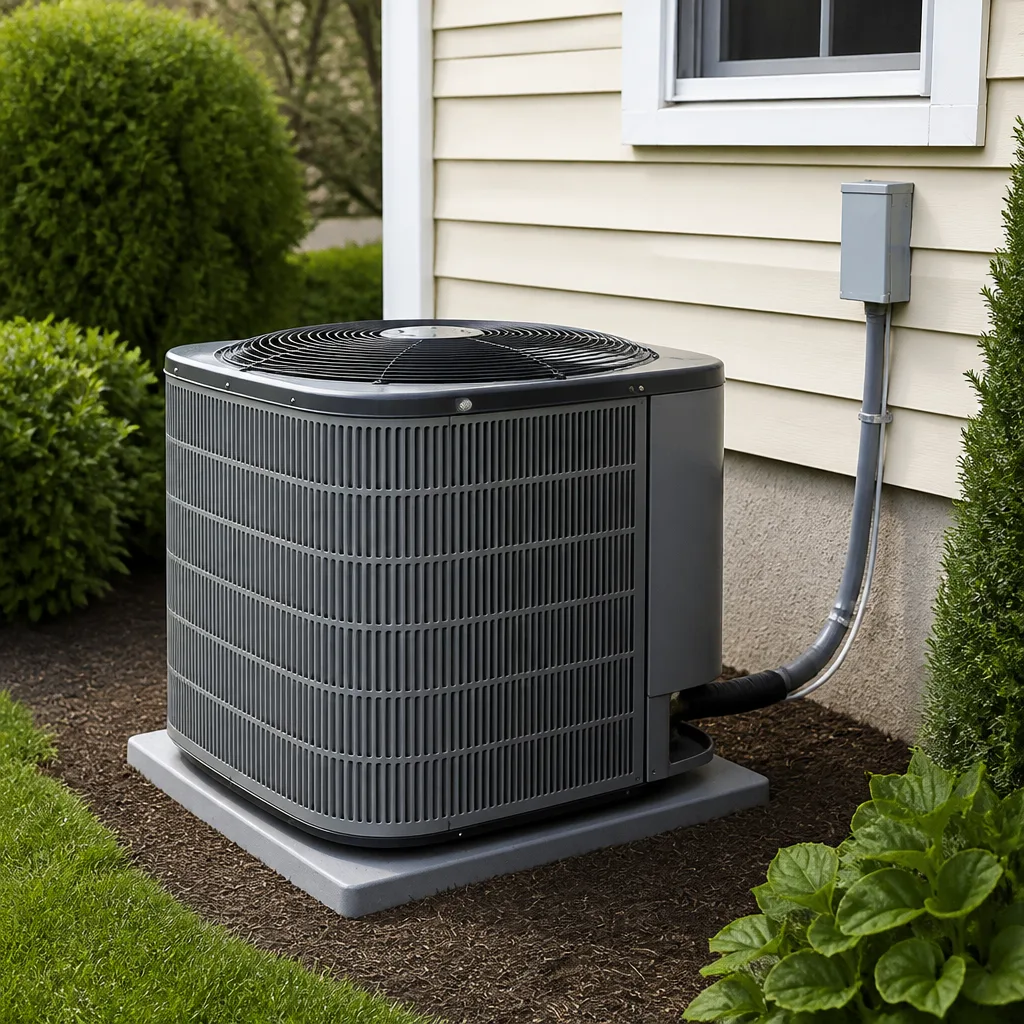 AC repair
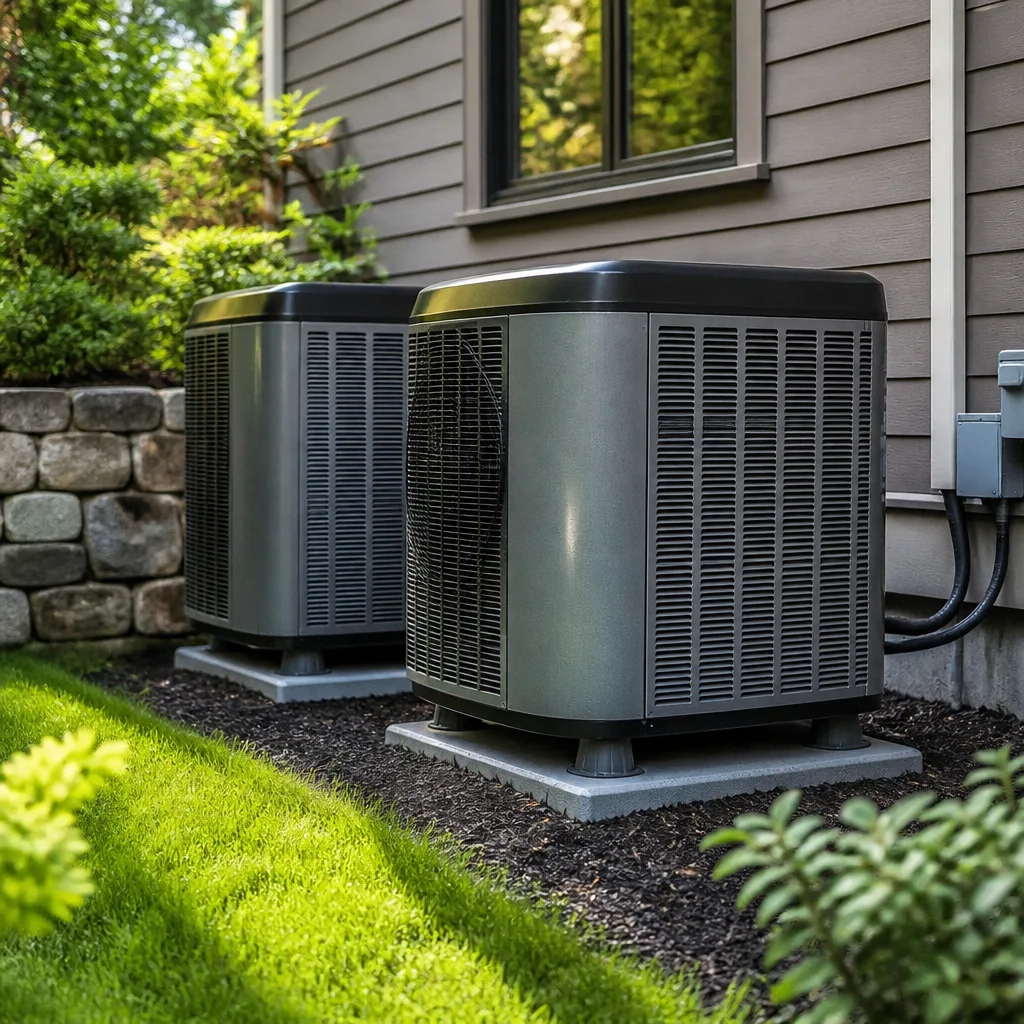 Heat pumps
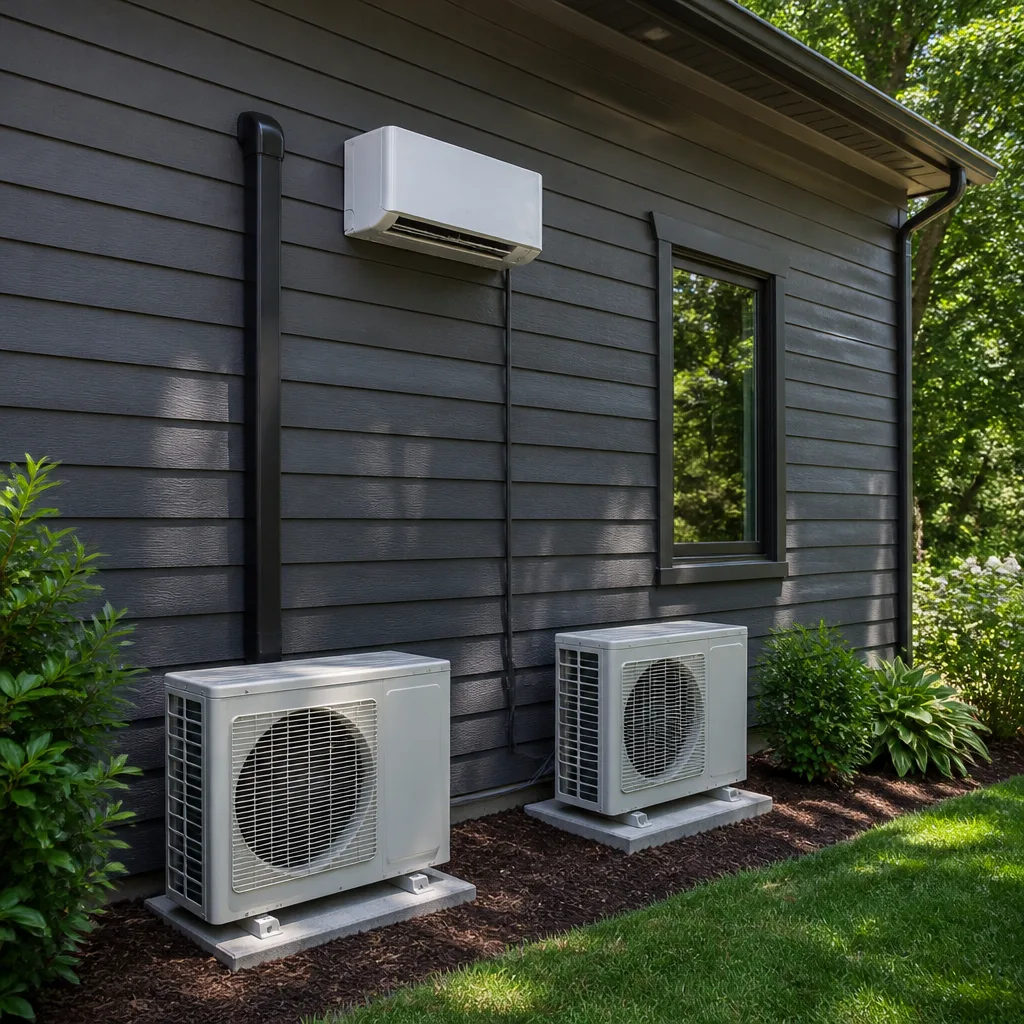 Ductless mini splits
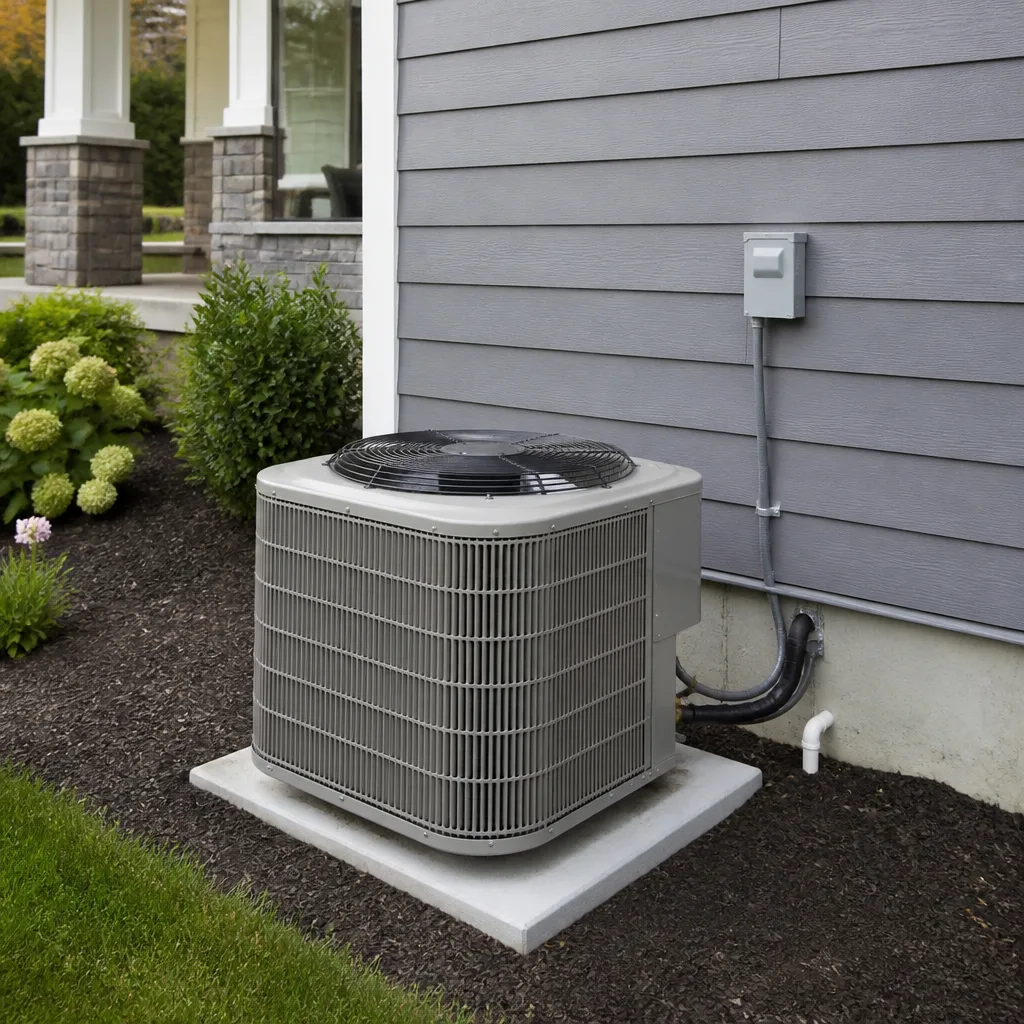 Carrier
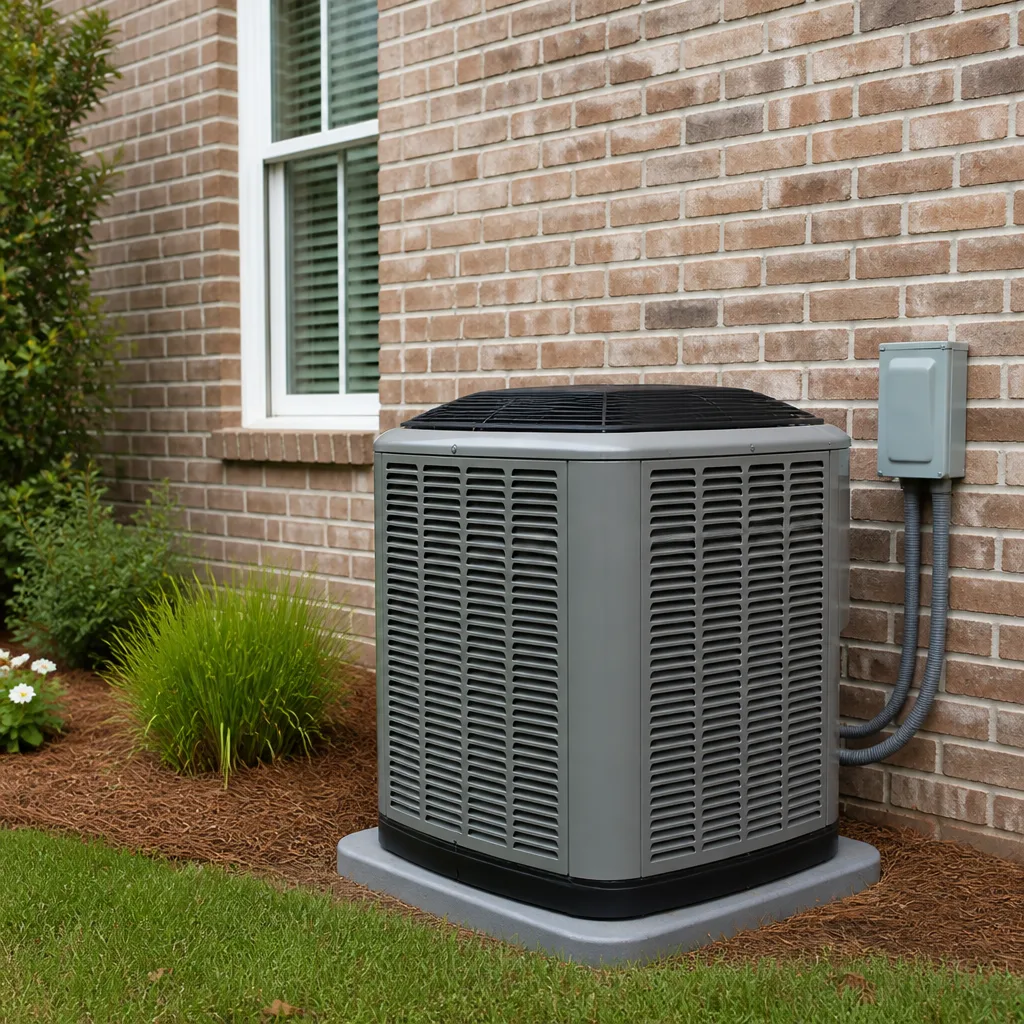 Trane
Trane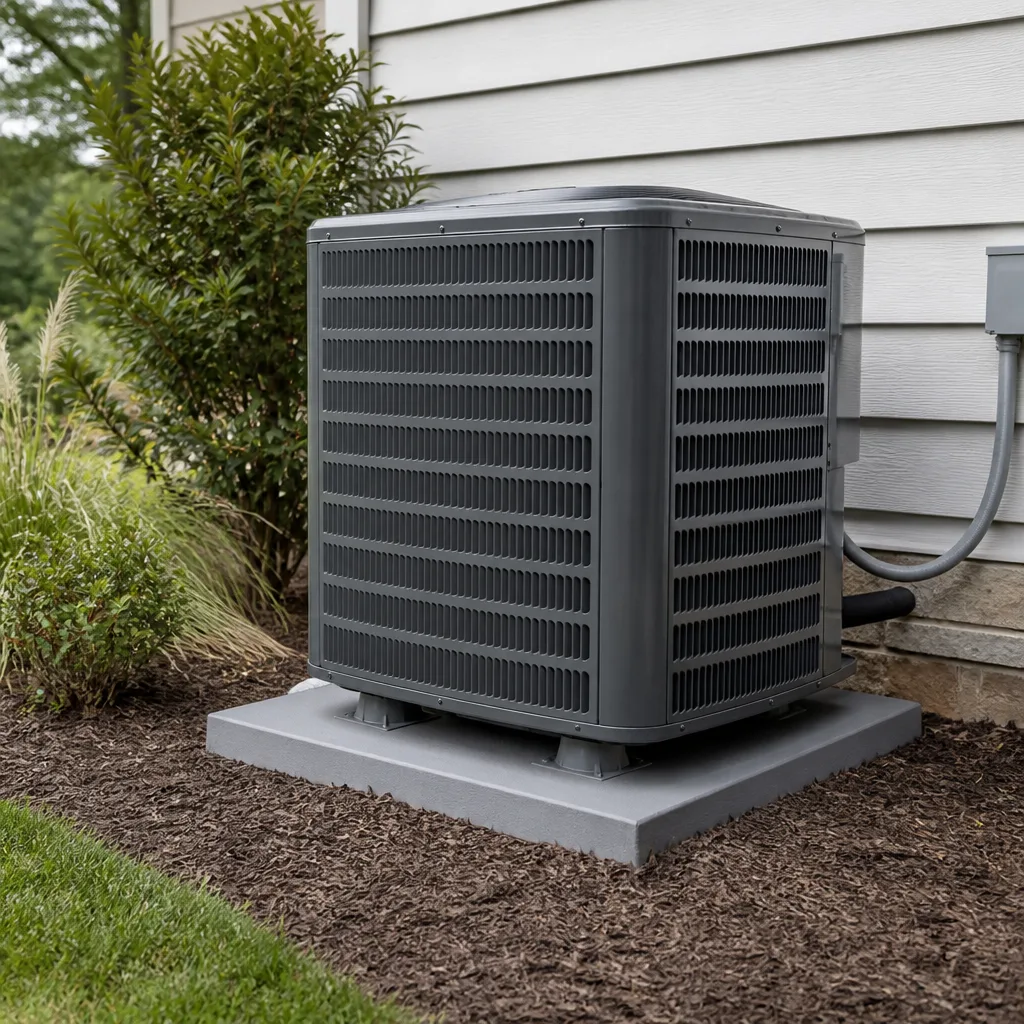 Goodman
Seasonal tune-up and full diagnostic on your Carrier, Trane, or Goodman system - readings shown to you before any repair is proposed
Diagnosis first, numbers second - you approve the repair price before a single part goes in.
Get your free estimateGoodman Capacitor Replacement: The Santa Clarita Owner’s Guide
A Goodman capacitor replacement in Santa Clarita typically runs $150 – $450 installed, depending on whether it’s a single or dual-run capacitor and which Goodman model you have. Most Goodman capacitor failures get diagnosed and swapped the same day we arrive, because we carry the common ratings on the truck. You’ll usually find out the capacitor failed because the outdoor unit hums but the fan won’t spin, or the compressor clicks and gives up before the house cools down.
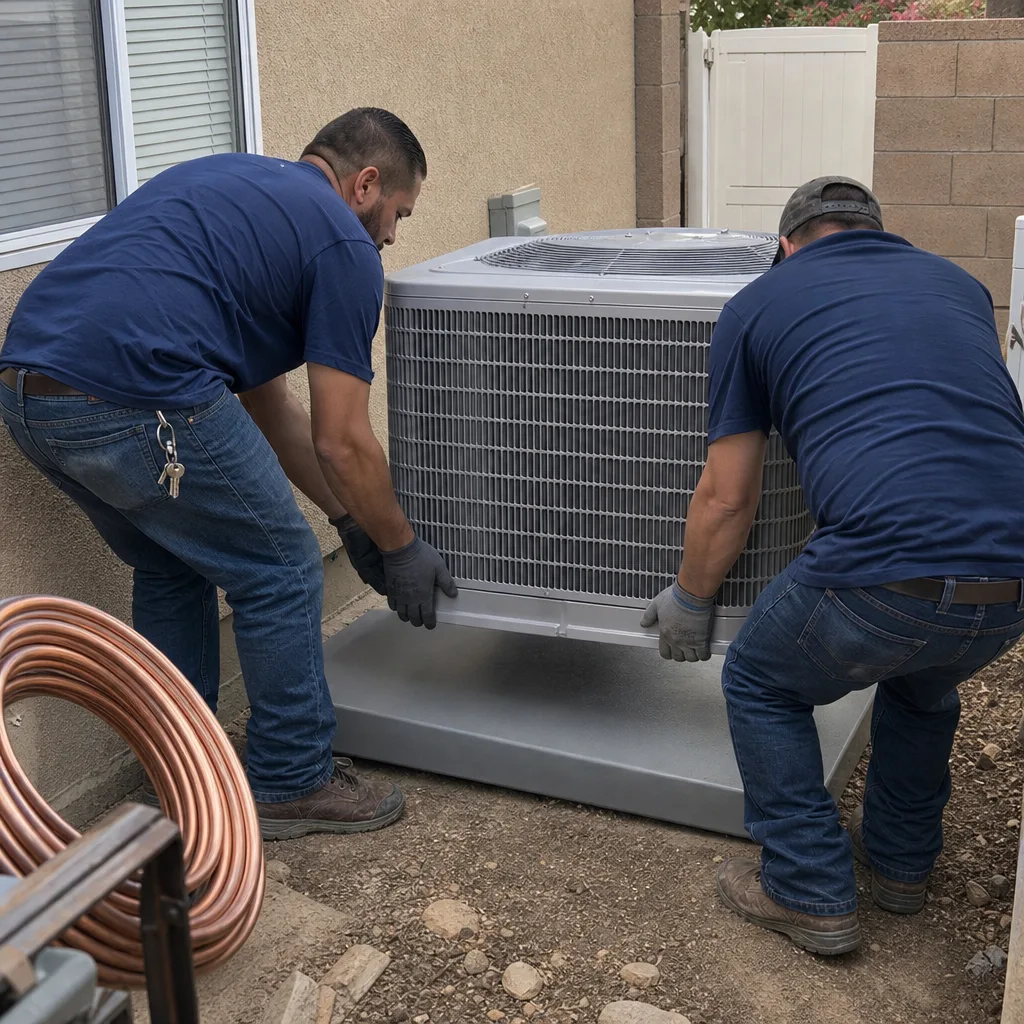
Here’s what matters: the capacitor is the small cylinder inside your Goodman condenser or air handler that stores and releases the electrical jolt the fan motor and compressor need to start. When it weakens, the motor either won’t start, starts slowly, or runs hot until something else fails. Ignore it long enough and you’re buying a motor, not a capacitor. In Santa Clarita’s summer, where the outdoor unit runs hard from June through September, capacitors take a beating. Heat is the number one killer of these parts. A capacitor that might last six or seven years somewhere milder often gives up in four or five here.
Which Goodman Models This Applies To
Goodman uses capacitors across nearly every residential condenser and air handler they’ve built in the last two decades. That includes the GSX, GSZ, SSX, and DSX condenser lines, the AVPTC and ARUF air handlers, and the packaged GPH and GPG units you’ll see on rooftops around Santa Clarita. The catch is that Goodman does not use one universal capacitor. The part you need is determined by the microfarad (µF) rating printed on the side of the old capacitor, not just by the model number. Two Goodman GSX16 units in the same neighborhood can take different capacitors if one has a different compressor.
Most Goodman condensers use a dual-run capacitor, which is two capacitors in one can: one side starts the compressor, the other starts the condenser fan. Common Goodman dual-run ratings are 35/5 µF, 40/5 µF, 45/5 µF, and 50/5 µF, all rated for 370 or 440 volts. A 370V capacitor is the budget version; a 440V capacitor handles voltage spikes better and tends to last longer. When we replace a Goodman capacitor, we match or exceed the original voltage rating, never go lower. On OEM versus aftermarket: Goodman’s factory capacitors are made by suppliers like GE and BMI. Quality aftermarket capacitors from AmRad, Titan, or Mars often outlast the original and cost less than a Goodman-branded part. We install both and will tell you which makes sense for your unit and your budget before we touch anything.
One compatibility gotcha we see in Santa Clarita: the capacitor size physically changed on newer Goodman units. Older units used a round capacitor, about 1.75 inches in diameter. Some newer Goodman condensers use an oval or smaller-diameter capacitor that fits in a tighter electrical compartment. We carry both form factors, so we’re not drilling brackets or making things fit that shouldn’t. We’re an independent service provider, not affiliated with Goodman, which means we choose the replacement part based on what’s right for your unit, not what a manufacturer wants us to sell.
Styles & brands we work with
Signs Your Goodman Capacitor Replacement Is Failing
- The outdoor unit hums but the fan doesn’t spin. That hum is the compressor or fan motor locked up without the start boost the capacitor should provide. If you hear this, shut the system off at the thermostat and the breaker. The motor can overheat and fail within minutes.
- The compressor clicks and shuts off after a few seconds. The capacitor can’t deliver enough voltage to keep the compressor running, so the overload trips. It may try again, over and over, which is hard on the compressor and not something to test repeatedly.
- The fan spins slower than normal or needs a push to start. A weak capacitor leaves the fan motor underpowered. In Santa Clarita’s heat, a slow condenser fan means your system can’t reject heat fast enough, and your indoor cooling performance drops with it.
- Your system trips a breaker unexpectedly. When a capacitor fails shorted, it can pull excessive current. A Goodman system that suddenly trips its breaker on a hot afternoon often has a failed capacitor lurking in the diagnostic chain.
- The capacitor case is bulging, leaking oil, or looks swollen at the top. Capacitors are sealed cans filled with dielectric fluid. Heat and age build internal pressure and the can deforms. A swollen capacitor is done, even if the system still starts sometimes.
If any of these match what you’re seeing, the first step is disabling the system so the motor doesn’t cook itself. The second step is a real diagnosis, because a weak capacitor is rarely the only thing going on in an older Goodman unit. We check the fan motor amp draw, the contactor, and the wiring connections while we’re in there. That’s the difference between replacing a part and fixing the system.
See the difference
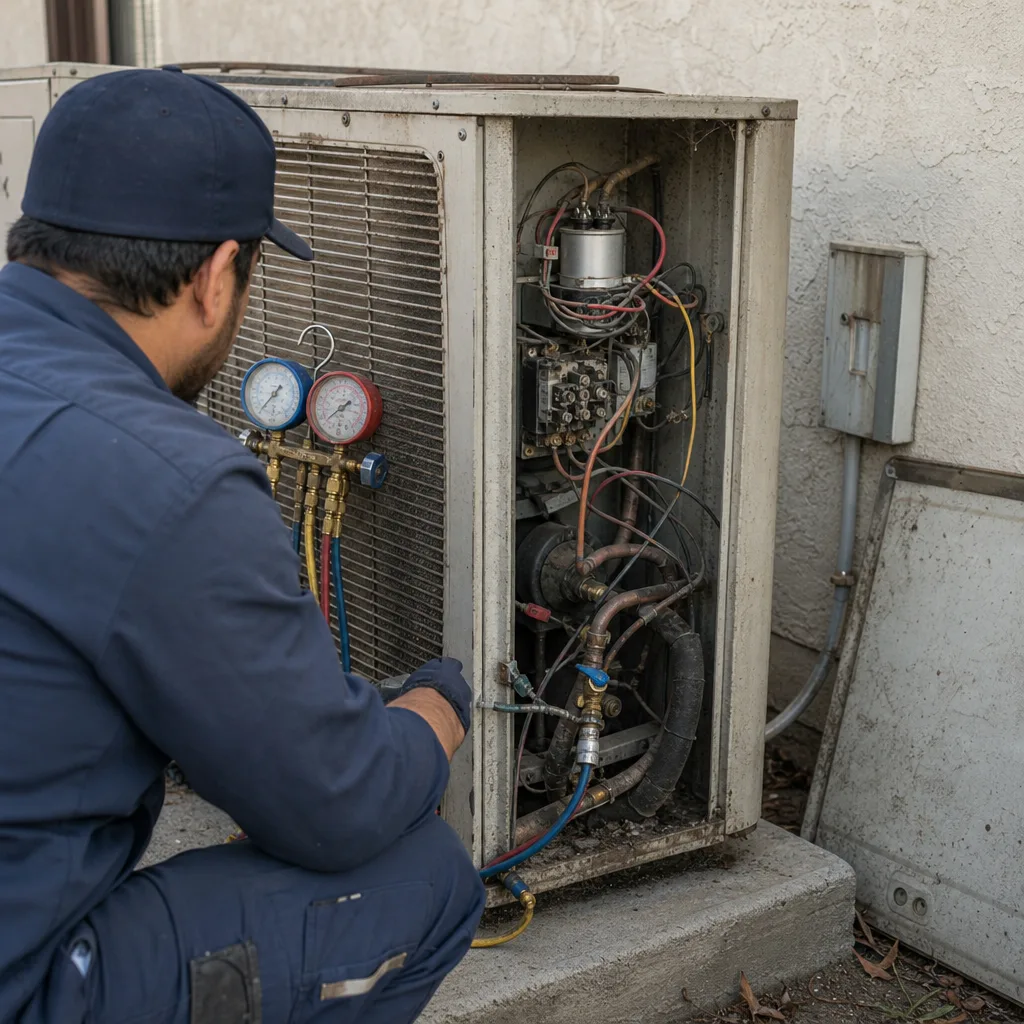 Before
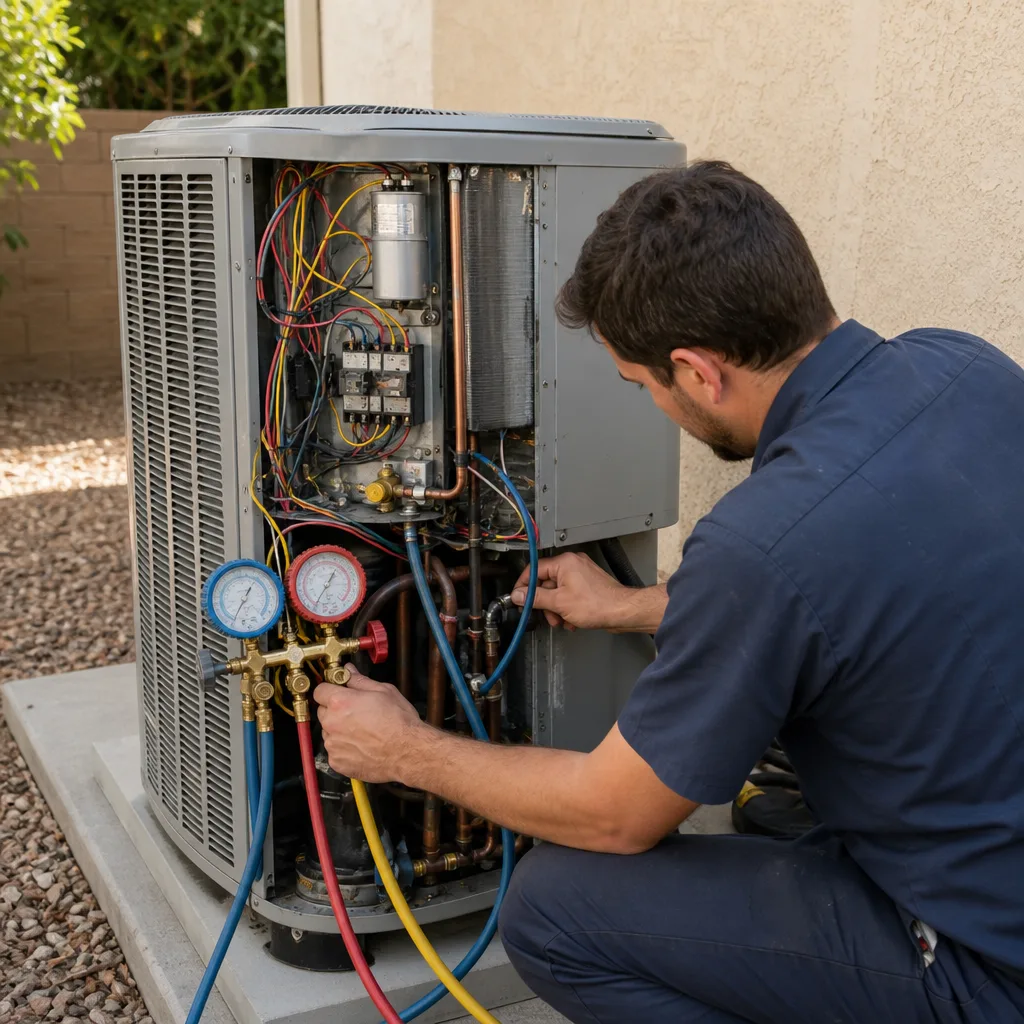 After
After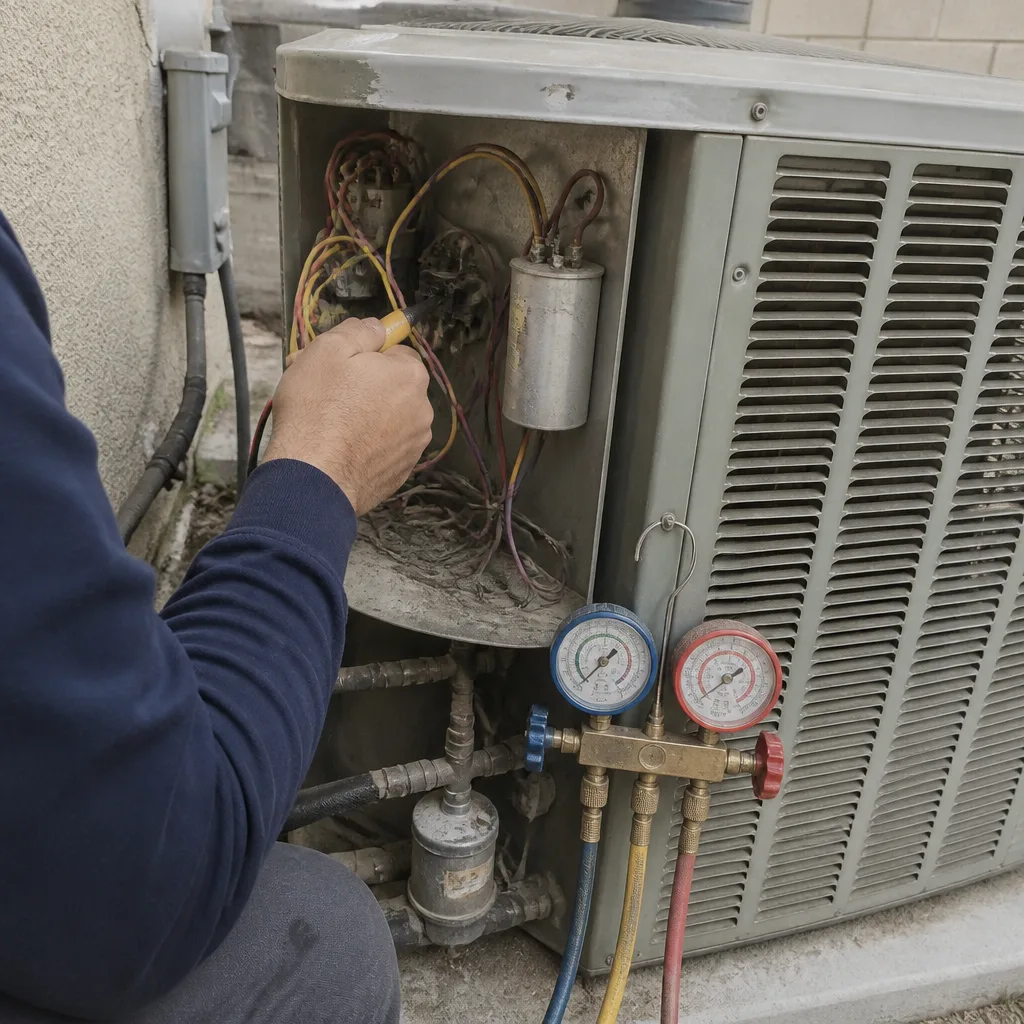 Before
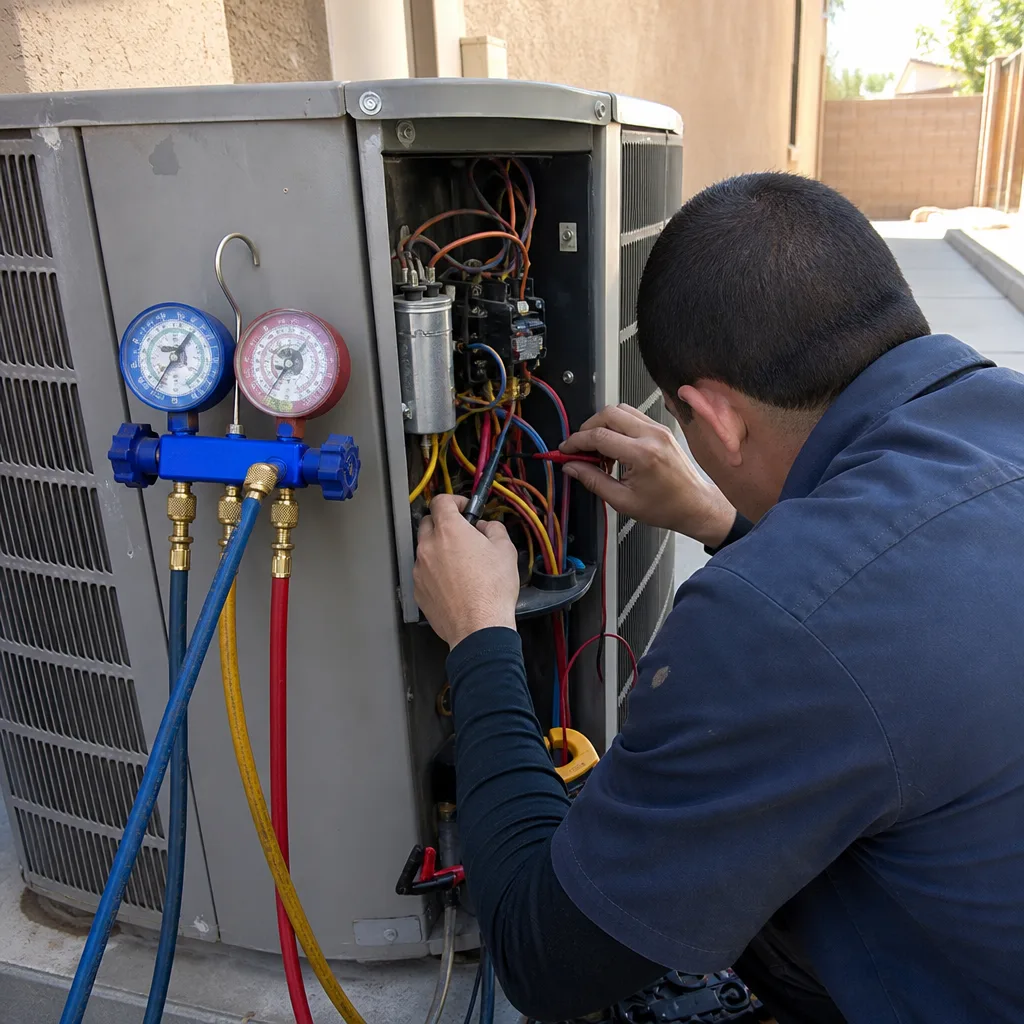 After
After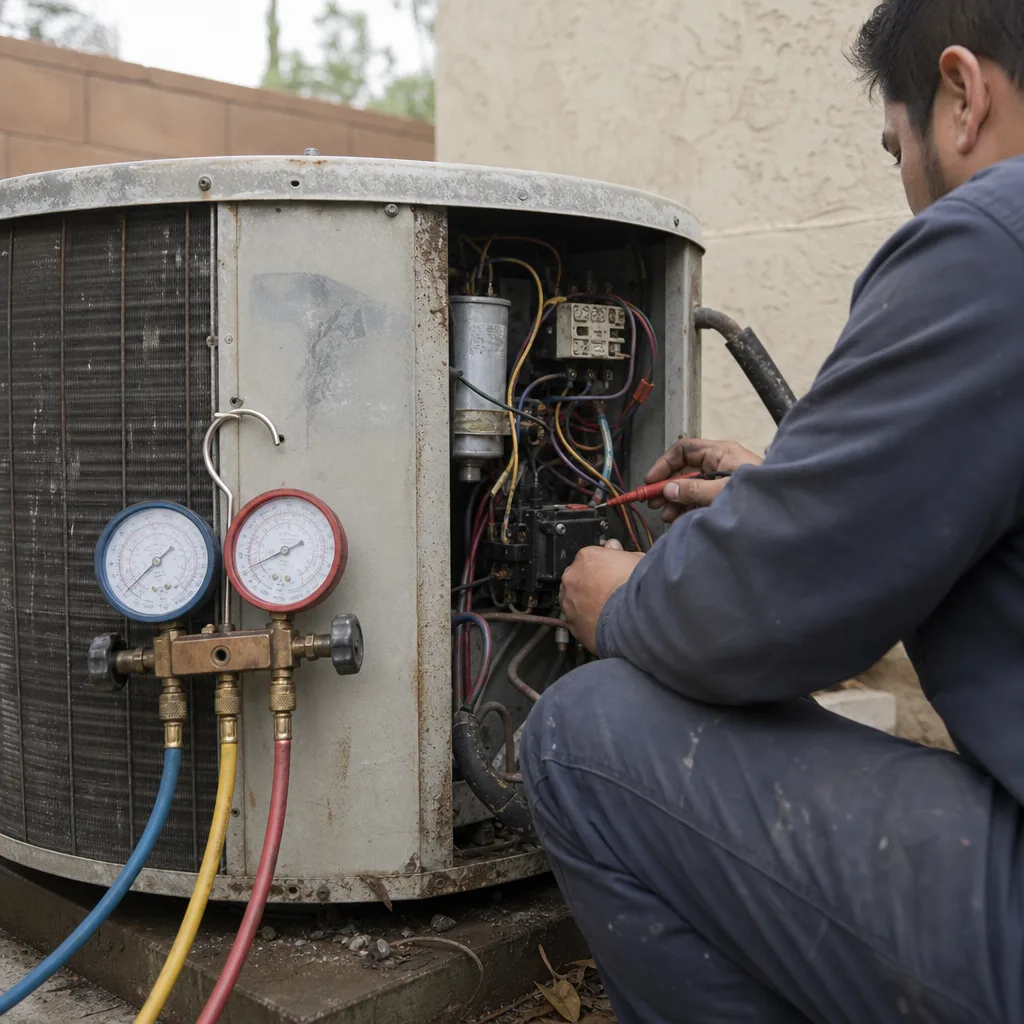 Before
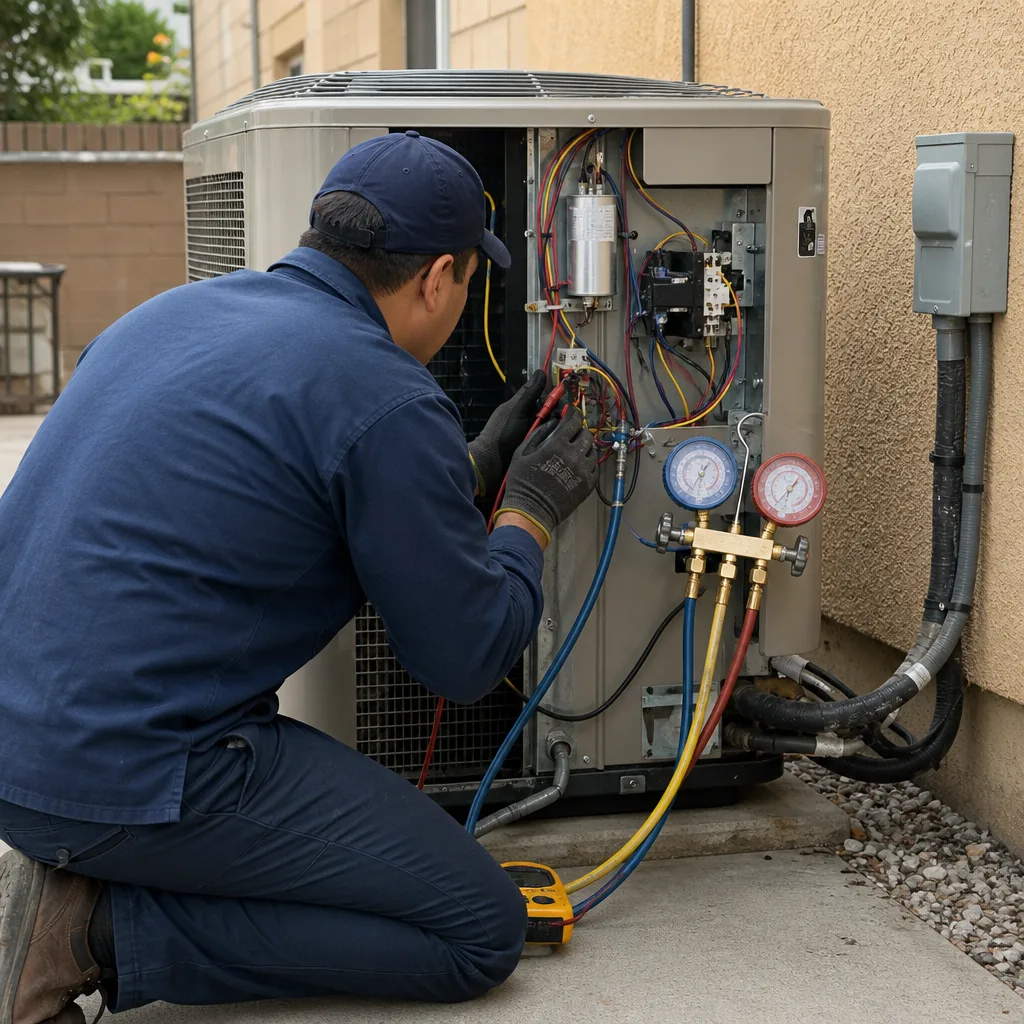 After
AfterReplacement Cost & What’s Included
In Santa Clarita, a Goodman capacitor replacement from Dalton Heating & Air runs $150 – $450 installed. The range comes down to three things: whether it’s a single or dual-run capacitor, what rating your unit requires, and what time of day you need us. A basic single-run capacitor swap on a Goodman air handler sits at the lower end. A dual-run capacitor for a larger GSX or DSX condenser sits in the middle to upper end, especially if it’s an emergency call on a weekend evening. Our emergency calls are charged as emergency calls, and we say that before we dispatch, not after.
That price is parts and labor, written on paper before the first bolt turns, with no surprise line items. It includes the new capacitor, the full diagnosis to confirm the capacitor is actually the problem, a check of the fan motor and contactor while we’re in the electrical compartment, and the written guarantee that covers the repair for a full year. If the capacitor fails again inside that year, we return and replace it at no charge. That’s the Garrison Standard on every repair, and we’ve held to it since 2003.
DIY or Call Us?
The honest answer: a capacitor holds enough stored voltage to stop your heart, even with the power off. Capacitors are not the same as changing an air filter. Even a disconnected capacitor can retain a charge that will bite hard if you touch the wrong terminal. On top of the shock risk, misreading the microfarad rating and installing the wrong value can destroy a fan motor or compressor, which turns a $250 repair into a $2,000 one. That said, if you’re comfortable with a multimeter and you know how to safely discharge a capacitor, checking the MFD reading against the label is within reach for some homeowners. What we’d ask you not to do is remove or replace the part without knowing exactly what it is rated for, or run the unit while it’s humming and not starting. If you’re not sure, call us at (661) 621-3712 and describe what the unit is doing. We’ll give you a straight answer about whether it sounds like a capacitor or something else, and we’ll show up with the right part on the truck. Marco Benitez has seen too many units where a well-intentioned capacitor swap with the wrong rating finished off a motor that was otherwise fine. Price on paper before the first bolt turns, that’s how we work.
FAQs
A Goodman capacitor in Santa Clarita typically lasts four to seven years, though the heat here pushes that toward the lower end. Capacitors degrade with heat exposure, and our summers give them plenty of it. If your Goodman unit is over five years old and you’re seeing starting issues, the capacitor is the most likely culprit.
No. A capacitor is a sealed unit. Once it’s swollen, leaking, or reading low on a multimeter, the only fix is replacement. Anyone who says they can repair a capacitor is wasting your time and your money. The replacement takes about 45 minutes, and we stock the common Goodman ratings on the truck at all times.
Most Goodman capacitor replacements take 45 to 75 minutes from diagnosis to done, including testing the new part and checking the fan motor amp draw. We carry the common 35/5, 40/5, 45/5, and 50/5 dual-run capacitors on the truck, so there’s usually no trip to a supplier needed. If you call early in the day, we can often have it done by early afternoon.
Yes. Our Santa Clarita service trucks carry a full range of Goodman-compatible capacitor ratings in both round and oval form factors, plus single-run capacitors for air handler blower motors. We also stock compatible parts for Carrier, Trane, and Lennox systems when we come across them on maintenance calls, but Goodman is one of the brands we see most often in Santa Clarita tract homes.
If your Goodman system is humming, slow to start, or not cooling like it should, call Dalton Heating & Air Santa Clarita at (661) 621-3712. We’ll diagnose it over the phone if we can, quote the repair in writing before anything starts, and get your system cooling again. Free estimates on capacitor replacement, and the repair is covered in writing for a full year.
Written by Marco Benitez, Owner & Lead HVAC Technician, Dalton Heating & Air Santa Clarita at Dalton Heating & Air Santa Clarita, serving Santa Clarita and nearby areas.