
Last updated October 16, 2026
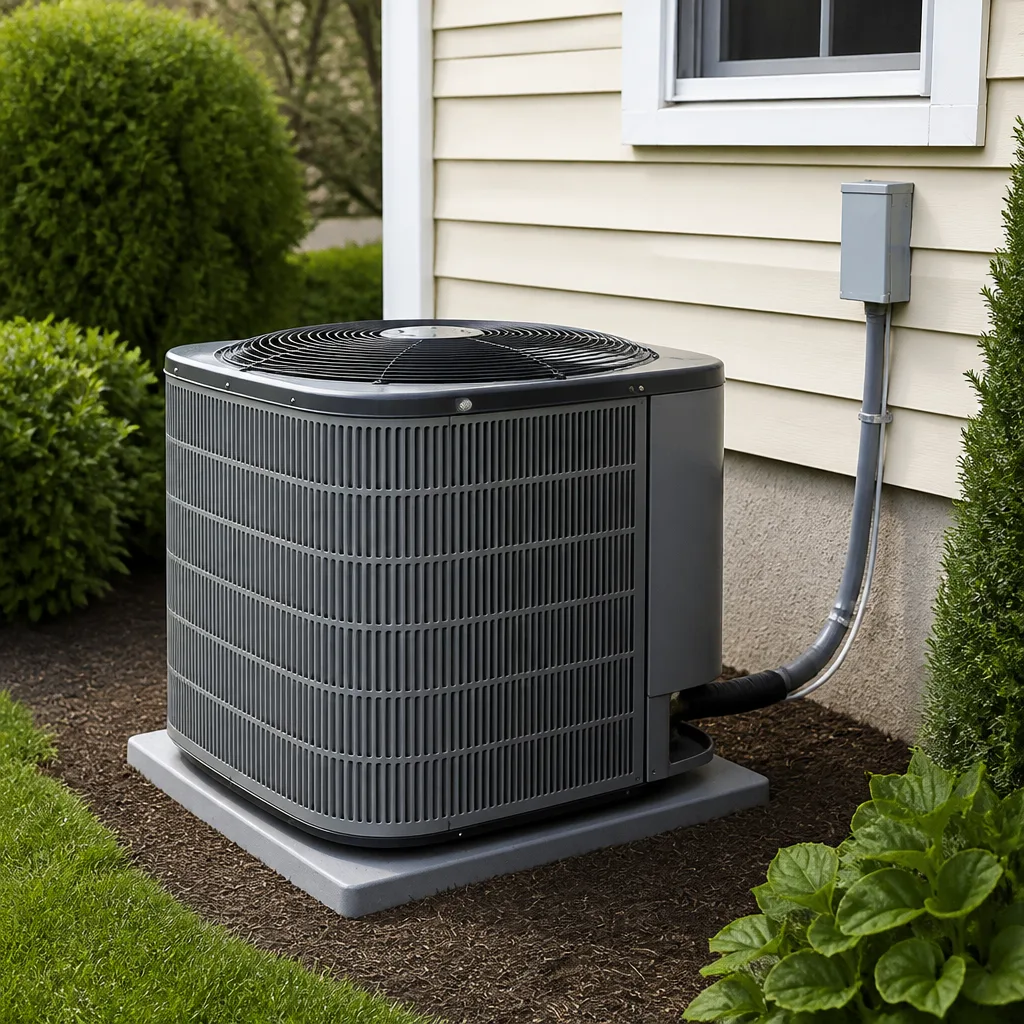 AC repair
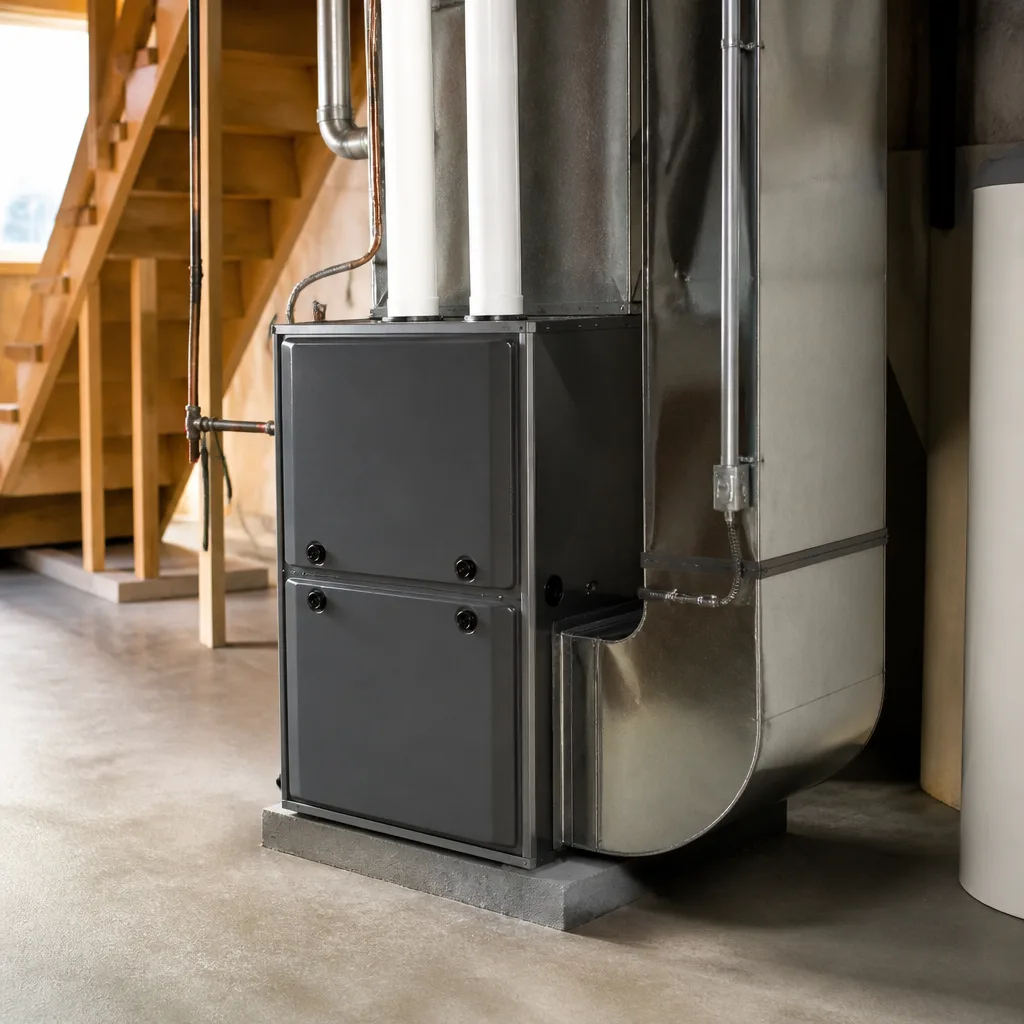 Furnace & heating
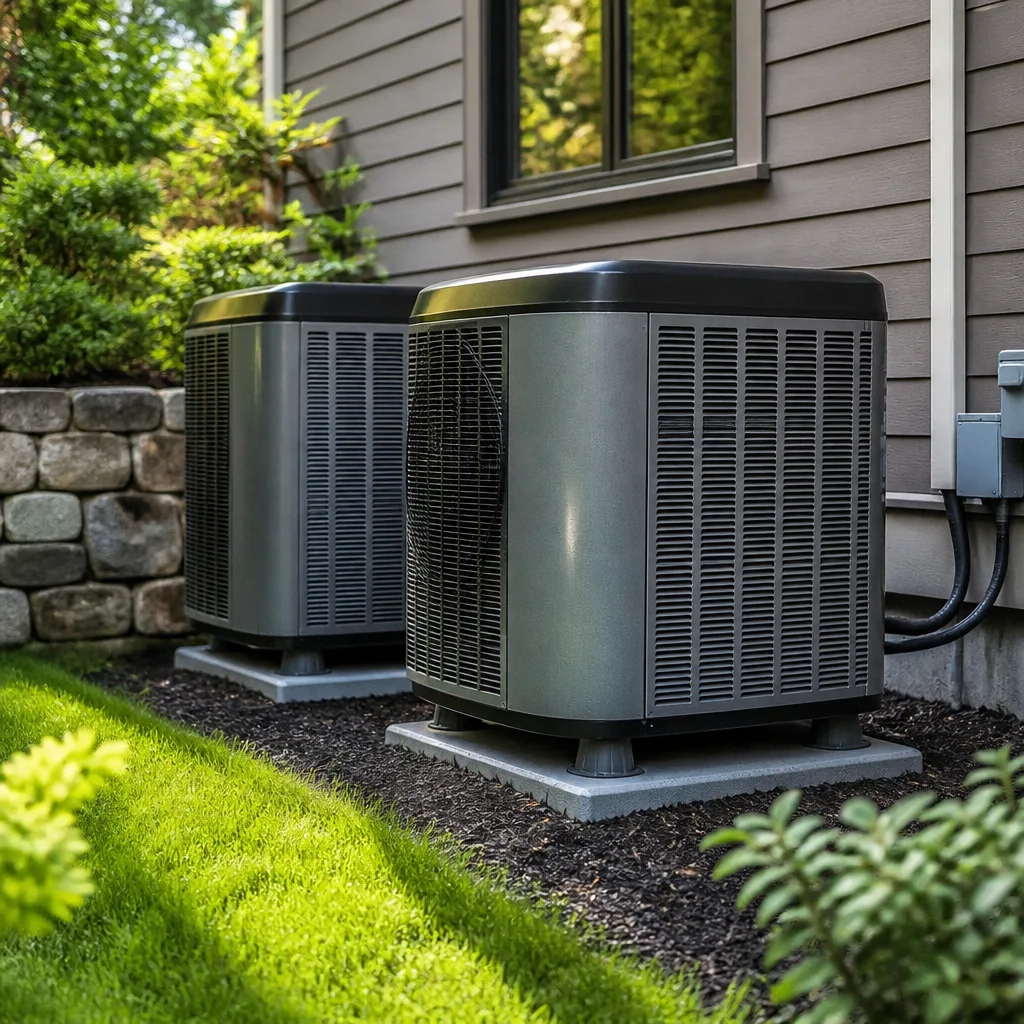 Heat pumps
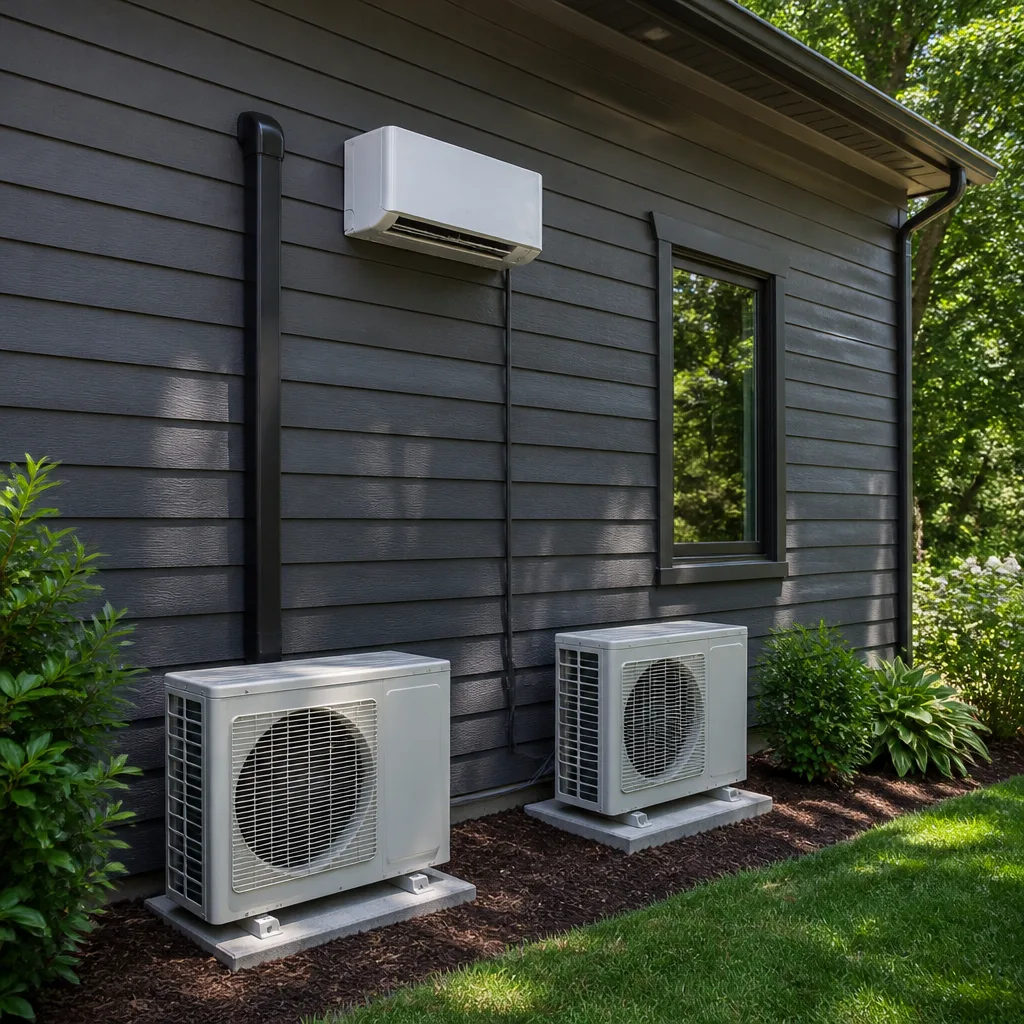 Ductless mini splits
 Carrier
 Trane
Trane Goodman
Seasonal tune-up and full diagnostic on your Carrier, Trane, or Goodman system - readings shown to you before any repair is proposed
Diagnosis first, numbers second - you approve the repair price before a single part goes in.
Get your free estimateHVAC Permits, Codes & Inspections in CA: What You Need to Know
Los Angeles County pulled permit records on more than 4,000 unpermitted HVAC installations in a single enforcement sweep, and in nearly every case, the homeowner ended up paying the correction costs, not the contractor who did the work. That’s the part nobody tells you when a contractor says a permit is “optional” or “just paperwork.” In Santa Clarita, an unpermitted replacement unit is a documented liability that surfaces at home sale, blocks insurance claims, and can require a full tear-out to correct. This guide walks through exactly which jobs trigger a permit, what inspectors look for under Title 24, what it costs to skip the process, and how to check a property’s permit history before you buy. For more guides & resources on local HVAC requirements, see our blog.
Styles & brands we work with
Quick Answer
Most HVAC work in California requires a permit: replacing an air conditioner, furnace, or heat pump, changing the location of equipment, or modifying ductwork all trigger the permit process. In Santa Clarita, the rules split between the City of Santa Clarita’s own Building & Safety division and LA County’s jurisdiction for unincorporated areas like Castaic, Val Verde, and Stevenson Ranch. A permitted job ends with an inspection that verifies Title 24 energy compliance, refrigerant charge, and duct leakage. Skipping the permit saves $150 to $500 up front but can cost $2,000 to $10,000 or more to correct later, especially at home sale. Watch for these issues early by reviewing our HVAC Warning Signs: A Santa Clarita Homeowner’s Reference Guide.
Table of Contents
- What HVAC Jobs Trigger a Permit in California
- Santa Clarita’s Split Jurisdiction: City vs. County Rules
- Title 24 and the HERS Duct Leakage Test: What Actually Happens at Inspection
- The Real Cost of Skipping a Permit
- How to Check a Property’s Permit History Before You Buy
- The Correct Sequence: Permit, Work, Inspection
- How Much Does a Permit Cost in Santa Clarita
- Common Mistakes to Avoid
- When to Call a Professional
- Frequently Asked Questions
- The Bottom Line
What HVAC Jobs Trigger a Permit in California
California’s Building Standards Code (Title 24) requires a mechanical permit for any HVAC work that involves installing new equipment, replacing existing equipment, or modifying the system beyond basic maintenance. The California Energy Commission enforces efficiency standards, but local building departments issue the permits and conduct the inspections. Here’s the breakdown of what triggers a permit in Santa Clarita and across the state.
Jobs That Require a Permit
- Air conditioner replacement – swapping an existing condenser or air handler for a new unit, even the same size and location. The permit verifies the new equipment meets current SEER2 minimums and refrigerant standards.
- Furnace replacement – any new furnace, from an 80% AFUE unit up to a high-efficiency condensing model. The permit includes a combustion safety check.
- Heat pump installation – whether you’re converting from gas or replacing an old heat pump, this is one of the most common permitted jobs in Santa Clarita because of the climate and the state’s push toward electrification.
- Ductwork changes – adding, relocating, or substantially modifying duct runs. New ductwork must pass a leakage test before the inspector signs off.
- Relocating equipment – moving a condenser from one side of the house to another, or moving a furnace from a closet to the attic, requires a permit because the gas line, electrical, and duct connections all change.
- Gas line modifications – any change to the gas supply serving the furnace or water heater.
- New electrical circuits – adding a circuit for a new heat pump or air handler often requires an electrical permit alongside the mechanical permit.
Jobs That Do NOT Require a Permit
- Filter changes, coil cleaning, and basic maintenance – routine service work on existing equipment.
- Thermostat replacement – swapping a standard thermostat usually does not need a permit, though a new low-voltage wire run might.
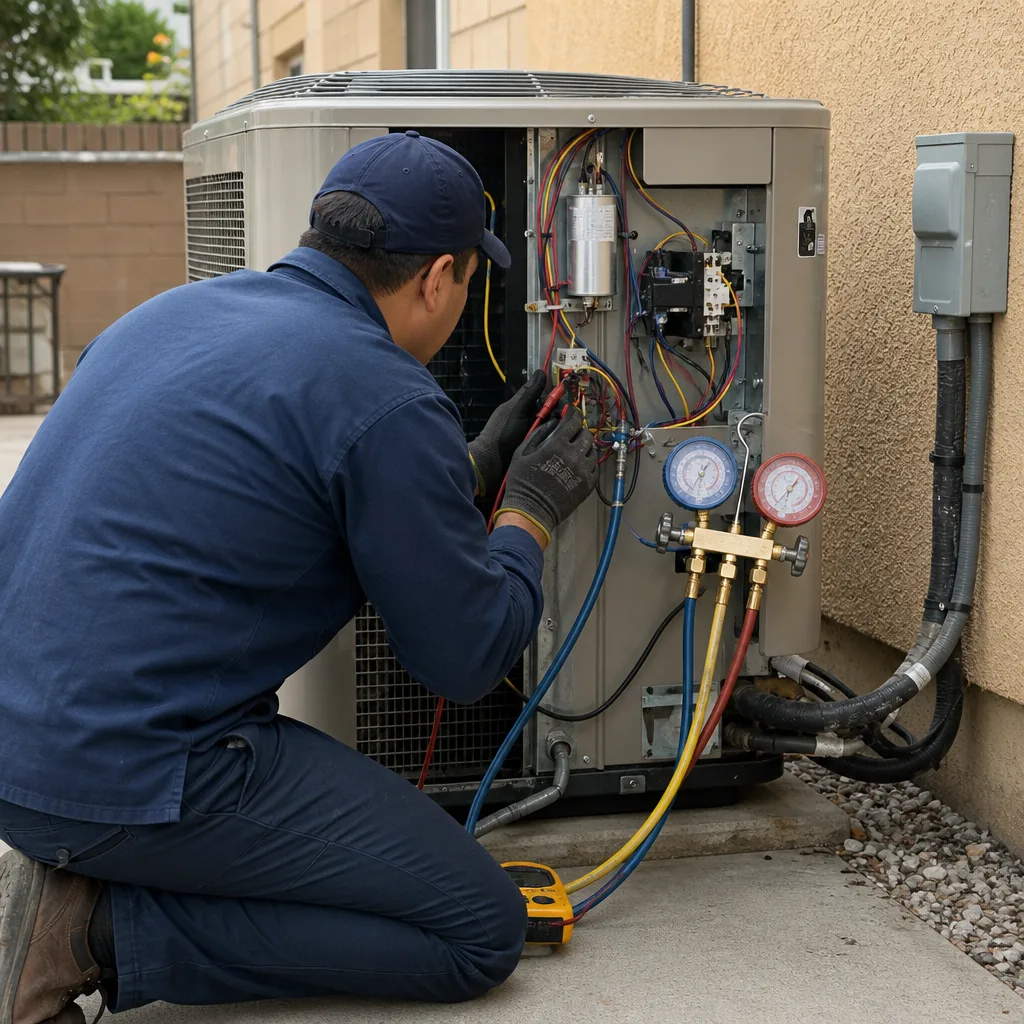
- Capacitor, contactor, or small part replacement – component-level AC repair in Santa Clarita on an existing system does not require a permit, as long as you’re not replacing the entire unit or modifying the refrigerant circuit.
- Refrigerant recharge – topping off the cooling fluid on an existing system is a repair, not an installation. However, if the system is being recharged because of a leak, the leak itself must be repaired per EPA rules.
Santa Clarita’s Split Jurisdiction: City vs. County Rules
Santa Clarita is not one single permit jurisdiction. The City of Santa Clarita covers most of the valley, including Valencia, Newhall, Saugus, and Canyon Country. But a large portion of the Santa Clarita Valley sits in unincorporated Los Angeles County, including Castaic, Val Verde, Stevenson Ranch, and parts of Agua Dulce. These two jurisdictions have different permit offices, different fee schedules, and slightly different inspection procedures. A contractor who works mostly in one area may not know the nuances of the other, and that can delay your project.
City of Santa Clarita
The City of Santa Clarita’s Building & Safety division processes mechanical permits through its online portal or in person at City Hall. The city uses the current California Mechanical Code and enforces all Title 24 energy requirements. Permit fees for a typical furnace or AC replacement run between $150 and $400 depending on the scope. The city requires a final inspection before the job is considered closed, and the inspector will want to see the equipment, the duct connections, and any gas line work.
Unincorporated LA County
Unincorporated areas fall under LA County’s Building and Safety division, operating out of the Santa Clarita district office. County fees are structured differently and tend to run slightly higher for mechanical work. The county also has stricter documentation requirements for contractor licensing and worker’s compensation insurance at the time of permit issuance. If you live in Castaic or Stevenson Ranch and a contractor quotes you a city permit price, ask which jurisdiction they actually pulled from.
Why the Difference Matters
In our experience, the single most common cause of a delayed inspection in Santa Clarita is a contractor filing in the wrong jurisdiction. A Valencia address goes through the city. A Castaic address goes through the county. If the paperwork goes to the wrong office, the inspection gets rejected and the homeowner waits another two to three weeks. Before any work starts, confirm with the contractor exactly which office will issue the permit and ask to see the permit number.
Title 24 and the HERS Duct Leakage Test: What Actually Happens at Inspection
Title 24 is California’s energy efficiency code, and it applies to every new HVAC installation in the state. When you replace a furnace, AC, or heat pump in Santa Clarita, the job must comply with Title 24 requirements for equipment efficiency, refrigerant charge, airflow, and duct leakage. The catch: the contractor does not perform the final duct leakage test. A third-party HERS (Home Energy Rating System) rater does.
What the HERS Rater Checks
A HERS rater is an independent, state-certified inspector who verifies that the installed system meets Title 24’s energy requirements. The rater tests duct leakage using a duct blaster – essentially a fan that pressurizes the duct system to measure how much conditioned air escapes into the attic or crawlspace. California code allows a maximum of 5% duct leakage for new systems. In older homes with existing ductwork, the rater may still test, and failing the test means sealing the ducts and re-testing before the permit can close.
Who Schedules the HERS Rater
Here’s where homeowners get caught. The HVAC contractor is responsible for scheduling the HERS rater, but the rater is an independent third party, not an employee of the contracting company. Some contractors “forget” to schedule the test, which means the permit never gets finaled. The homeowner only discovers this years later when the property record shows an open permit. Before agreeing to any installation, ask your contractor: “Who is your HERS rater, and who pays for the test?” The answer should be immediate. If there’s hesitation, that’s a red flag.
What Else the Inspector Verifies
- Equipment efficiency ratings – the installed unit must meet current SEER2 or HSPF2 minimums for California climate zones. Santa Clarita falls in climate zone 10 or 14 depending on elevation, which affects which units are allowed.
- Refrigerant charge – the system must be charged correctly per the manufacturer’s specifications, not just “ballpark filled.”
- Airflow – the duct system must deliver proper cfm (cubic feet per minute) for the equipment size.
- Combustion safety – for gas furnaces, the inspector checks venting, gas line connections, and carbon monoxide risk.
- Electrical connections – proper disconnects, wire sizing, and grounding at the condenser and air handler.
The Real Cost of Skipping a Permit
A permit in Santa Clarita costs somewhere between $150 and $500 depending on the job. A contractor who recommends skipping it saves you that amount up front, and saves themselves the time of scheduling an inspection. The long-term cost runs much higher.
What Happens at Home Sale
When you sell a home in California, the buyer’s home inspector and the lender’s appraiser both review the property record. An unpermitted HVAC replacement shows up as a mismatch: the equipment is newer than the last permitted installation on file. A trained inspector will flag this. The buyer then has leverage to demand a price reduction, a repair credit, or a retroactive permit before closing. Retroactive permits in Santa Clarita often require opening walls or ceilings to expose the work for inspection, which means drywall repair, painting, and sometimes full equipment removal and reinstallation. The retroactive permit itself runs higher than the original would have, and the inspection is stricter because the building department has no record of when or how the work was done.
Insurance Claim Denials
Homeowners insurance policies in California typically exclude damage caused by unpermitted work. If an unpermitted furnace installation causes a fire, the insurance company has a documented reason to deny the claim. If an unpermitted AC installation floods a ceiling with condensate, the same applies. An insurance adjuster will check permit history as a matter of routine on major claims.
What the Property Record Shows
LA County and the City of Santa Clarita both maintain public permit records tied to the property address. An unpermitted installation doesn’t just disappear. It shows up as a gap in the record, or when the next permitted job is pulled, the inspector may notice the newer equipment during a routine visit for something else and issue a correction notice. The property record is a permanent document. The unpermitted work becomes part of the home’s history.
Correction Costs We’ve Seen
- Retroactive permit for an AC replacement: $800 to $2,500 including inspection fees, HERS testing, and any required corrections.
- Full tear-out and reinstall: $3,000 to $10,000 when the inspector requires the equipment to be removed so all connections can be verified.
- Home sale price reduction: $5,000 to $15,000 negotiated by a buyer who discovers the unpermitted work during escrow.
- Insurance claim denial: the full cost of fire or water damage repairs, which can exceed $50,000.
How to Check a Property’s Permit History Before You Buy
Most home buyers in Santa Clarita never check permit history until their inspector mentions an issue. This is a free public records step that takes fifteen minutes and can prevent a $10,000 surprise. Here’s how to do it.
- Determine the jurisdiction. Is the property in the City of Santa Clarita or unincorporated LA County? The city covers Valencia, Newhall, Saugus, and Canyon Country. The county covers Castaic, Val Verde, Stevenson Ranch, and Agua Dulce. If you’re not sure, check the property’s address on the LA County Assessor’s website.
- Search the correct portal. For City of Santa Clarita properties, use the city’s online permit search tool under Building & Safety. For unincorporated areas, use LA County’s Department of Building and Safety online records. Both are free and searchable by address.
- Review the mechanical permits. Look for any permit filed for “mechanical,” “HVAC,” “furnace,” “air conditioning,” or “heat pump.” Note the date and the final inspection status. A permit that was issued but never finaled is an open liability.
- Compare to the physical equipment. If the house has a 2019 condenser but the last HVAC permit on file is from 2005, the equipment was likely replaced without a permit. Ask the seller to produce documentation or factor the correction cost into your offer.
- Request a title company verify. The title company can pull a permit history as part of the escrow process. This is a standard service, but you have to ask for it specifically.
If you’re buying a home in Santa Clarita and the HVAC history is unclear, call a local contractor who knows both jurisdictions. A quick equipment inspection can tell you whether the unit matches the permit record, and what it would cost to bring the property into compliance before you close.
The Correct Sequence: Permit, Work, Inspection
The order of operations matters more than most homeowners realize. Here’s the correct sequence for a permitted HVAC job in Santa Clarita, and why each step exists.
- Contractor pulls the permit. The permit application includes the equipment specs, a basic plan showing where the unit will go, and the contractor’s license and insurance information. The city or county reviews and issues the permit within a few business days.
- Work begins. Only after the permit is issued. If a contractor starts work before the permit is approved and an inspector happens to drive by, the job gets red-tagged and all work stops until the paperwork is sorted out.
- Rough inspection (if applicable). For jobs involving new ductwork, gas line changes, or equipment relocation, the inspector visits before walls or ceilings are closed. This is the inspection that catches problems while they’re still accessible. If drywall goes up before this inspection, the inspector will require it to come back down.
- HERS testing. The third-party rater tests duct leakage and verifies Title 24 compliance. This happens after the system is installed and operational but before the final inspection.
- Final inspection. The city or county inspector verifies the installed equipment matches the permit, checks all connections, and signs off. The permit is now “finaled” and the property record is clean.
In our experience serving Santa Clarita homeowners, the most common failure point is step three: contractors who skip the rough inspection and close up walls and ceilings before the inspector sees the work. The inspector then has no choice but to require re-opening the area, which means more drywall repair, more painting, and more time. A contractor who understands the sequence will never close up covered work until the inspector has been there.
How Much Does a Permit Cost in Santa Clarita
Here’s a realistic breakdown of permit costs for common HVAC jobs in the Santa Clarita area. These are ranges based on the current fee schedules for the City of Santa Clarita and LA County’s Santa Clarita district office. The exact amount depends on the job’s valuation, which is based on the equipment cost and labor.
- Furnace replacement permit: $150 to $300 in the city, $200 to $350 in unincorporated areas.
- AC or heat pump replacement permit: $200 to $400 in the city, $250 to $450 in the county.
- Full system replacement (furnace + AC/heat pump): $300 to $600 depending on the combined valuation.
- HERS duct leakage test: $250 to $500, paid to the third-party rater, not the building department.
- Retroactive permit (for work already done): $800 to $2,500 including inspection fees, corrections, and HERS testing.
A reputable contractor includes the permit fee in the quote and handles the application. At Dalton Heating & Air Santa Clarita, every installation quote includes the permit cost as a line item, so you know exactly what you’re paying for and there’s no surprise fee at the door. Any contractor who offers to waive the permit fee is asking you to accept legal and financial liability for their work.
Common Mistakes to Avoid
- Believing the contractor when they say a permit is “optional.” It’s not. California law requires permits for equipment replacement, and Santa Clarita building departments enforce it. A contractor who says otherwise is either misinformed or cutting corners.
- Filing in the wrong jurisdiction. City of Santa Clarita and LA County unincorporated areas have separate offices. A Castaic address filed with the city will get rejected, costing two to three weeks of delay.
- Paying in full before the inspection is finaled. Hold final payment until the city or county inspector signs off and the permit is closed. If the contractor disappears before the inspection, you’re responsible for getting it done.
- Not asking who schedules the HERS rater. The contractor is responsible, but the rater is an independent third party. Confirm the schedule before work starts, and make sure the rater’s report is submitted to the building department.
- Skipping the permit on a “quick swap.” Replacing an AC condenser without a permit is still an unpermitted installation, even if the unit sits on the exact same pad in the exact same location.
- Buying a home without checking permit history. Fifteen minutes on a public records portal can prevent thousands in correction costs. Buyers in Santa Clarita should make this a standard step in every escrow.
- Closing up walls before the rough inspection. If the inspector needs to see the ductwork or gas line and the drywall is already up, the drywall comes back down at your expense.
When to Call a Professional
If you’re replacing a furnace, AC, or heat pump in Santa Clarita, a licensed HVAC contractor handles the permit, the installation, and the inspection coordination. Look for a company that includes the permit fee in the written quote, names the HERS rater they work with, and won’t start work until the permit is issued. If you’re buying a home and the permit history looks questionable, a local contractor can compare the equipment to the record and tell you what it would cost to correct. If you already have an open permit that was never finaled, a contractor familiar with your jurisdiction can often get the process moving again. Use our AC Repair Maintenance Checklist for Santa Clarita Homeowners to stay on top of required upkeep. Dalton Heating & Air Santa Clarita offers free estimates in Santa Clarita – call (661) 621-3712.
Frequently Asked Questions
Yes. California’s Building Standards Code requires a mechanical permit for any air conditioner replacement, even a same-size swap in the same location. The permit verifies the new equipment meets current efficiency standards and that the installation was done correctly. In Santa Clarita, both the city and LA County enforce this requirement.
The installation becomes an unpermitted improvement on the property record, which surfaces at home sale, can block insurance claims if the system causes damage, and may require a retroactive permit or full tear-out to correct. Retroactive permits in Santa Clarita typically run $800 to $2,500, and that’s before any required corrections.
Most HVAC permits in the City of Santa Clarita run $150 to $400, while LA County’s unincorporated areas charge $200 to $450. The HERS duct leakage test adds another $250 to $500. Call (661) 621-3712 for an exact quote on your specific job.
Title 24 is California’s energy efficiency code, which sets minimum efficiency standards for heating and cooling equipment and requires a third-party HERS rater to verify duct leakage and refrigerant charge after installation. A system that fails the HERS test must be corrected before the permit can close.
Yes. Both the City of Santa Clarita and LA County offer free, searchable online permit records by address. Review the mechanical permits and compare them to the physical equipment. If the equipment is newer than the last permit, ask the seller for documentation or factor correction costs into your offer. If you need a furnace repair in Santa Clarita or a new system, work with a contractor who handles permits correctly.
The HVAC contractor is responsible for scheduling the HERS rater, but the rater is an independent third party. Before work starts, confirm that your contractor has a HERS rater lined up and that the test cost is included in the quote. An unpermitted or un-tested duct system can fail inspection and delay the permit closing. For heat pump installation in Santa Clarita, HERS testing is a mandatory final step.
The Bottom Line
HVAC permits in California are not optional, and in Santa Clarita, skipping one creates a documented liability that follows the property through every future sale and insurance claim. The permit costs $150 to $450 on the front end and guarantees the work was inspected, the equipment is compliant, and the property record is clean. The correction costs for skipping it run into the thousands. Check the jurisdiction, confirm the HERS rater, verify the permit was finaled, and never pay in full until the inspection closes. A contractor who manages the process correctly treats the permit as a standard part of the job, not an add-on to avoid.
Written by Marco Benitez, Owner at Dalton Heating & Air Santa Clarita, serving Santa Clarita since 2003.
See the difference
 Before
 After
After Before
 After
After Before
 After
After