
Last updated October 16, 2026
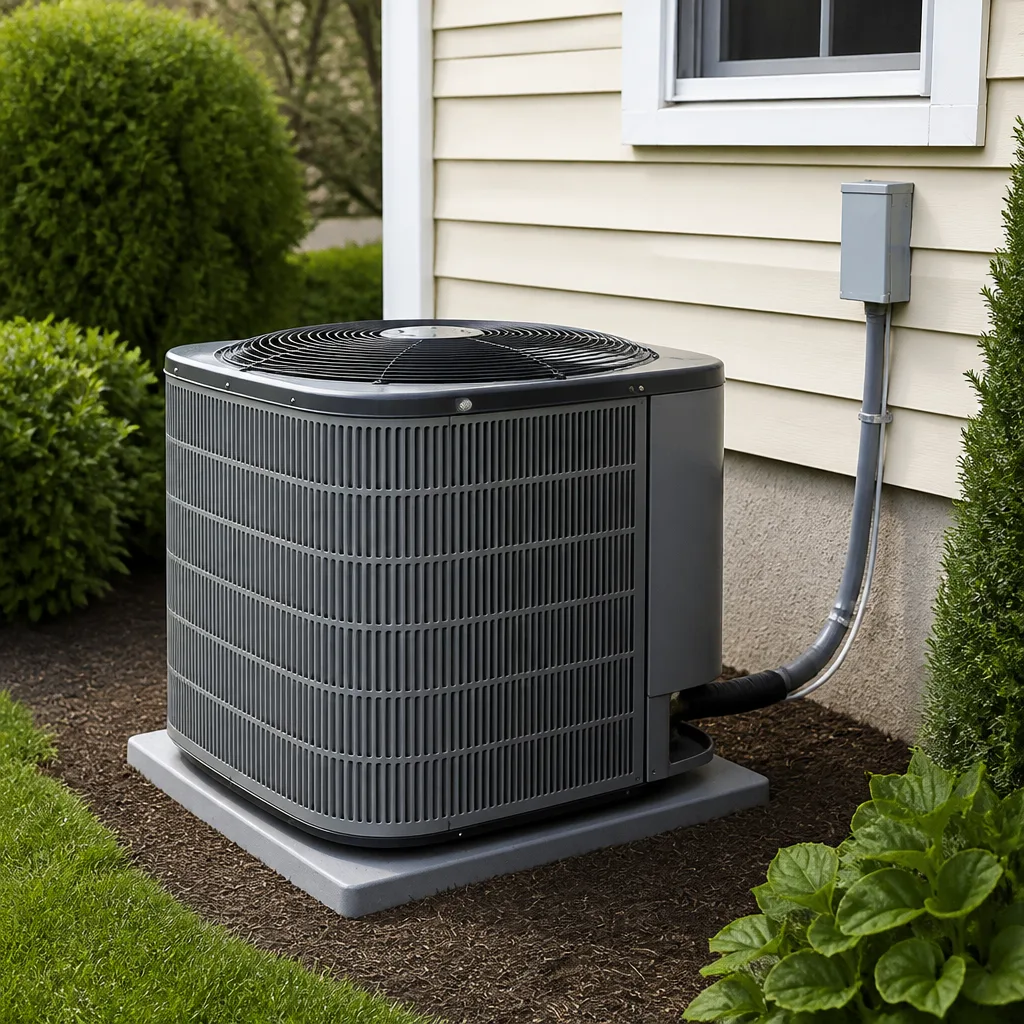 AC repair
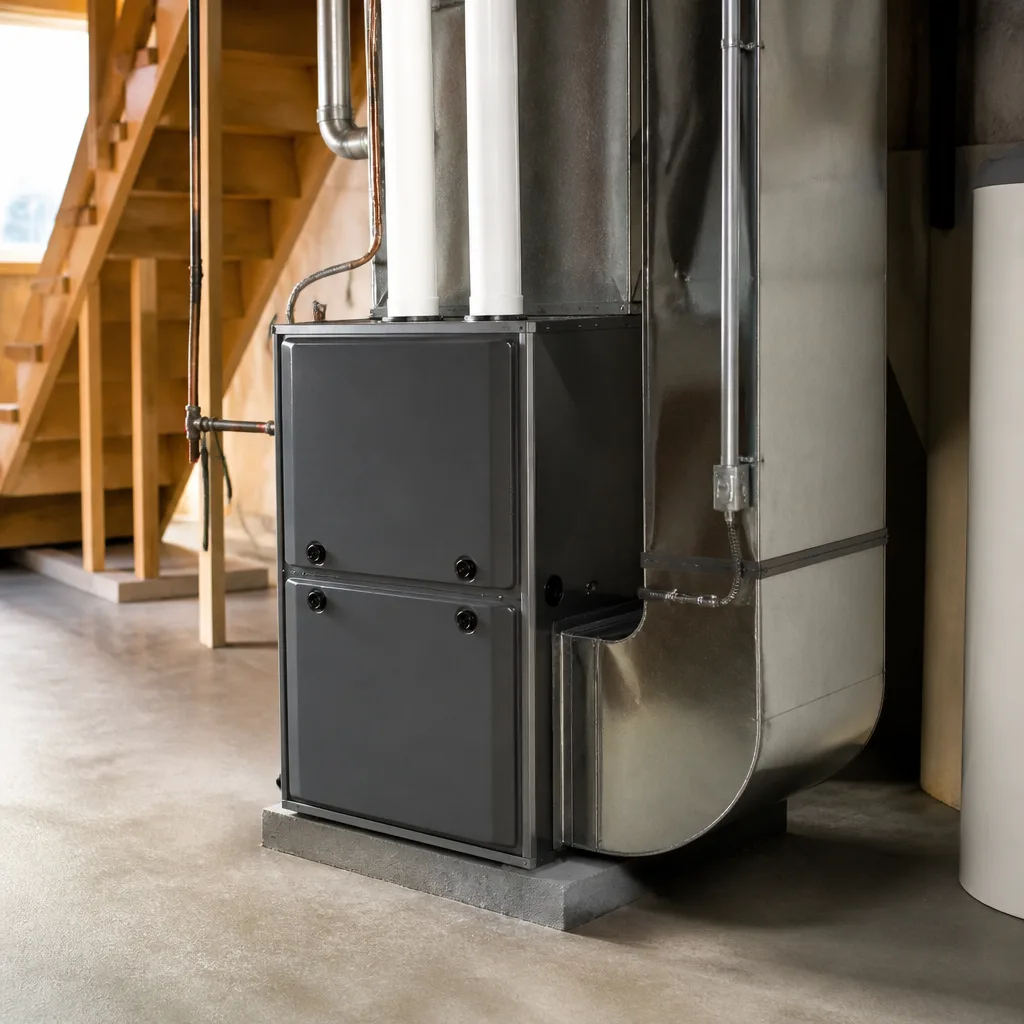 Furnace & heating
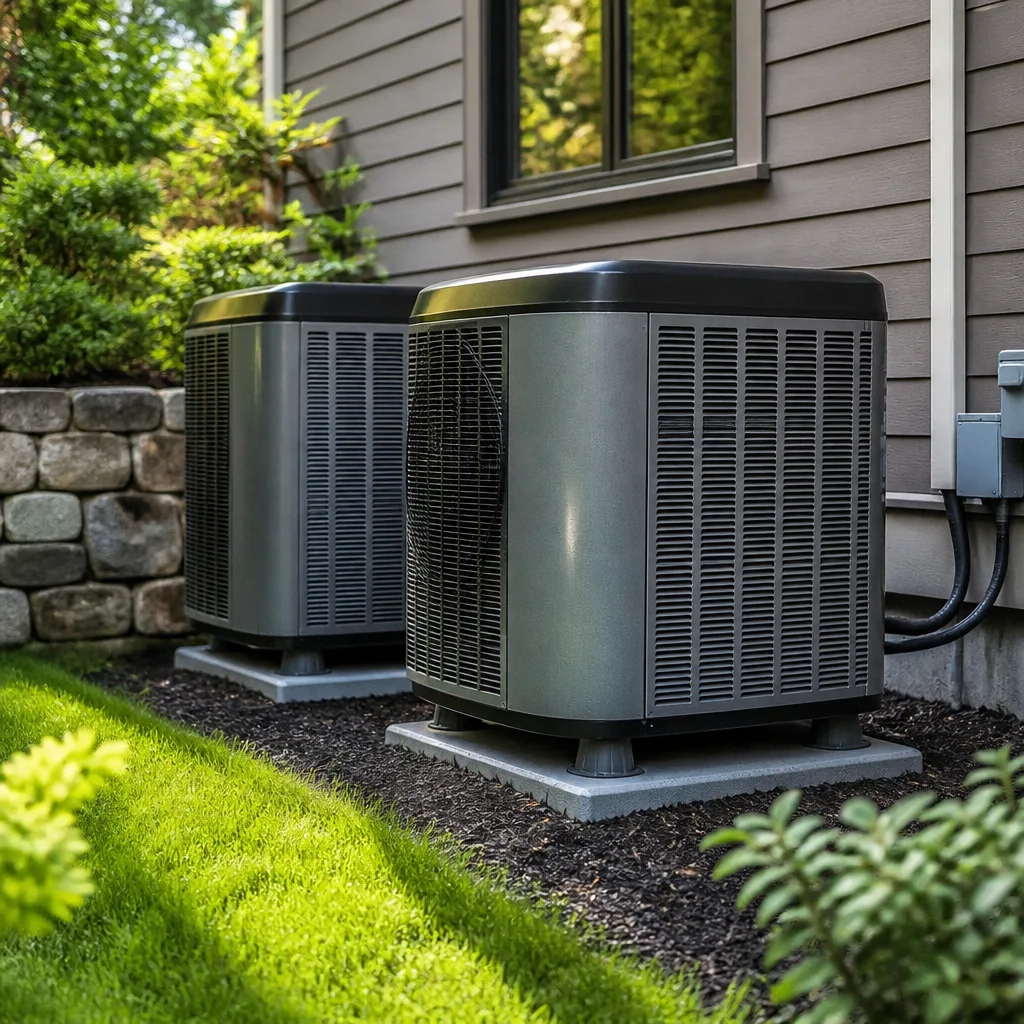 Heat pumps
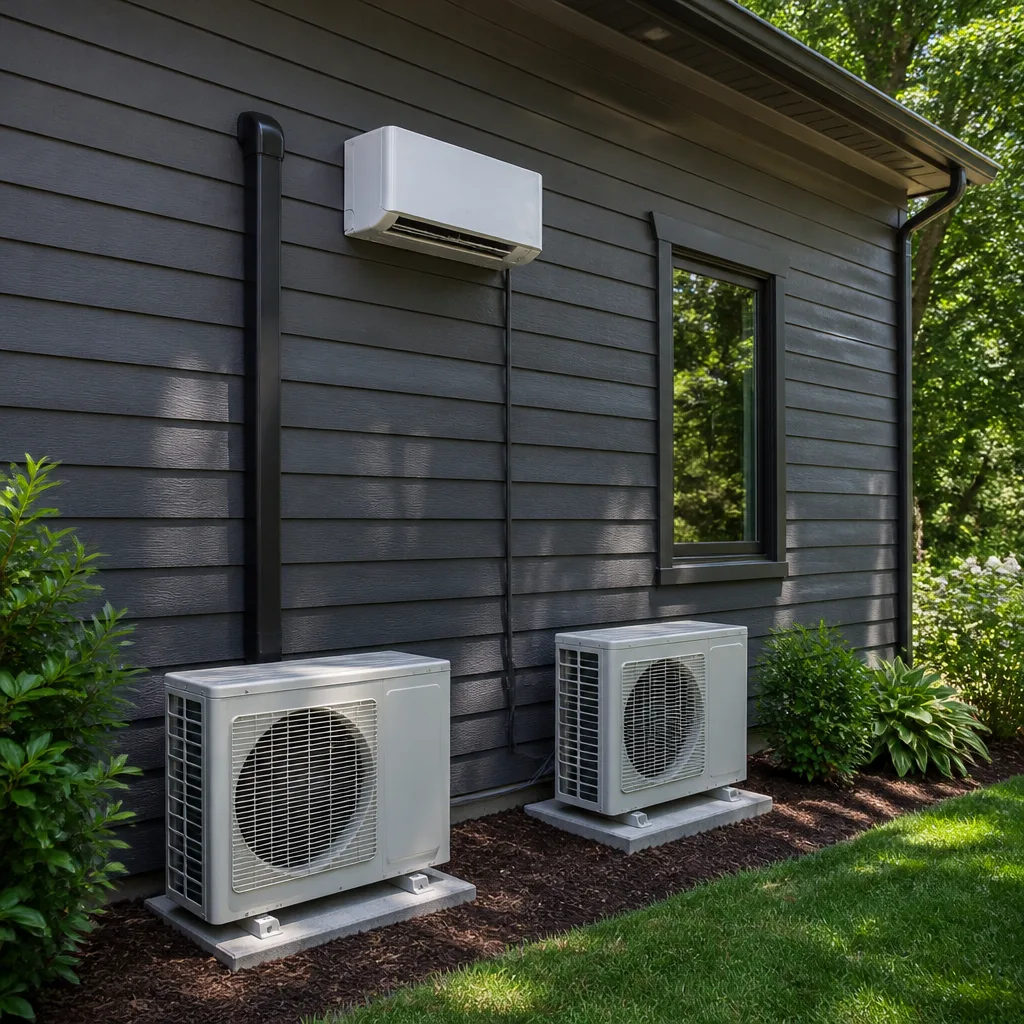 Ductless mini splits
 Carrier
 Trane
Trane Goodman
Seasonal tune-up and full diagnostic on your Carrier, Trane, or Goodman system - readings shown to you before any repair is proposed
Diagnosis first, numbers second - you approve the repair price before a single part goes in.
Get your free estimateHVAC Warning Signs: A Santa Clarita Homeowner’s Reference Guide
Most warning-sign guides treat a grinding blower motor and a cracked heat exchanger as the same thing: “call a professional.” That’s true in the narrow sense, but it misses the point entirely. A grinding blower motor is a $200 – $400 fix you can schedule for Thursday. A cracked heat exchanger in a gas furnace can put carbon monoxide into your hallway tonight. This guide pairs each symptom with the component that’s actually failing and the urgency level it deserves. If you own a home in Santa Clarita, where summer temperatures routinely pass 100°F and the winter nights drop below freezing, you’ll want to know the difference. Here is how to read your HVAC system before it reads you the bill.
Quick Answer
Most HVAC warning signs fall into three urgency buckets: stop using the system now (gas smell, burning plastic, carbon monoxide alarm, loud grinding from the indoor unit), schedule within a week (short cycling, weak airflow, warm air from the AC, ice on the refrigerant line), or monitor and clean first (dusty smell on startup, slightly longer run times in July). The most reliable early indicators in Santa Clarita are short run cycles, a blower that ramps up and down oddly, and a monthly electric bill that climbs without a matching change in weather. When in doubt, shut the system off and call a technician who puts the diagnosis and the price in writing before any work begins; our AC Repair Maintenance Checklist for Santa Clarita Homeowners covers what to ask during that call.
Styles & brands we work with
Table of Contents
- The Symptom Matrix: What You See, What’s Failing, How Fast to Act
- Smells: Which Ones Are Dust, Which Ones Are Dangerous
- Electrical Warning Signs: Breakers, Capacitors, and Flicker
- Short Cycling: The 8-Minute Diagnostic No One Mentions
- Sounds: A Field Guide to What You’re Hearing
- Airflow and Temperature: Reading the Vents
- Moisture and Ice: What Your Condensate Line Is Telling You
- What to Document Before You Call: Photos, Timestamps, Runtime Logs
The Symptom Matrix: What You See, What’s Failing, How Fast to Act
Before we dig into each category, here is the quick-reference table. It’s the single most useful thing in this guide. Print it, screenshot it, tape it next to the thermostat. When something acts up, find the row that matches what you’re seeing. The urgency column tells you whether to shut the system off, pick up the phone, or keep an eye on it for a week.
| What you observe | Likely component | Urgency |
|---|---|---|
| Rotten egg or sulfur smell | Gas leak in supply line or valve | Stop using now. Evacuate and call gas utility. |
| Burning plastic or electrical smell | Overheating blower motor, wiring, or capacitor | Stop using now. Shut off at breaker. |
| Loud grinding from indoor unit | Blower motor bearings | Stop using now. Carbon monoxide risk if airflow stops. |
| Carbon monoxide detector going off | Heat exchanger crack or blocked flue | Stop using now. Ventilate and call for service. |
| System runs less than 8 minutes per cycle | Oversized system, thermostat fault, refrigerant leak, failing capacitor | Schedule within a week. |
| Air from vents is warm in AC mode | Refrigerant leak, compressor fault, or reversing valve stuck | Schedule within a week. |
| Breaker trips more than once | Compressor drawing high amps, shorted wiring, or failing capacitor | Schedule within a week. Do not reset repeatedly. |
| Ice on the outdoor unit’s copper line | Low refrigerant or restricted airflow | Schedule within a week. Do not chip at the ice. |
| Dusty smell for first 10 minutes of operation | Dirty coil or duct dust burn-off | Monitor and clean first. |
| Humming or clicking at the outdoor unit when starting | Failing capacitor or contactor | Schedule within a week. Worse in afternoon heat. |
This matrix covers the ten symptoms we see most often in Santa Clarita. The neighborhoods near Newhall and Canyon Country have older housing stock with original ductwork, which pushes airflow-related symptoms higher on the list. The newer developments in Valencia and Saugus tend to have tighter envelopes and higher-efficiency equipment, but that equipment is more sensitive to dirty filters and static pressure issues. The matrix applies either way.
Smells: Which Ones Are Dust, Which Ones Are Dangerous
Santa Clarita sits in a high-desert dust environment. The Santa Ana winds push fine particulate through every gap in a house, and that dust settles on evaporator coils, blower wheels, and heat exchangers during the spring and fall shoulder seasons. When you fire up the system for the first time after a few weeks off, the first ten minutes of “burning smell” is usually that dust incinerating off the heat exchanger or the coil. It smells like hot dust, not like burning plastic. It fades. It’s harmless and it’s more common here than in cleaner-air coastal markets.
Then there are the smells that are not harmless. Here’s how to tell the difference:
- Rotten egg or sulfur: Natural gas is odorized with mercaptan specifically so you notice it. This is a gas leak. It could be at a fitting, a valve, or the supply line itself. Shut the gas valve at the meter if you know how, leave the house, and call your gas utility first. Then call for an HVAC technician to locate and repair the leak before the system goes back on.
- Burning plastic or rubber: This one indicates something electrical is overheating. Common culprits are a blower motor with failing windings, a capacitor that’s leaking its dielectric fluid, or a wire connection that has come loose and is arcing. Shut the system off at the breaker and keep it off until a technician arrives. In our experience, this is the smell homeowners wait too long to act on because it comes and goes.
- Musty or wet socks: This is microbial growth on the evaporator coil or inside the drain pan. It’s not an emergency, but it won’t clear up on its own. A coil cleaning plus a drain line treatment usually resolves it. We see this most often in Santa Clarita homes where the AC runs continuously from June through September and the drain line never gets a dry period.
The Santa Clarita-specific takeaway: if the smell fades within ten minutes and doesn’t return during the same cycle, it was dust. If it lingers, changes character, or recurs every time the system starts, call us. We’ll tell you over the phone whether it’s safe to keep running the system while we schedule the visit.
Electrical Warning Signs: Breakers, Capacitors, and Flicker
Electrical symptoms are the most neglected category in homeowner guides, probably because they feel arcane. But here’s the plain-language version. Your HVAC system draws more current at startup than at any other moment, because the compressor and blower motor are spinning up from zero. A capacitor is the component that provides that startup surge. When it weakens, two things happen. The system draws more current trying to start, and the compressor may fail to start at all. Both show up as electrical symptoms before they show up as mechanical failure.
Here are the three electrical warning signs worth knowing, each with what’s actually failing:
- A breaker that trips more than once: One trip during a heat wave can happen when the grid is stressed and the compressor is pulling max amps. But if the breaker trips a second time, something inside the system is drawing more current than the circuit was designed for. The usual suspects are a failing compressor, a shorted wire, or a capacitor that has lost its ability to smooth the startup surge. Do not keep resetting the breaker. Each reset sends another surge through a component that’s already struggling. That’s how a $40 capacitor replacement becomes a $1,800 compressor swap.
- A capacitor that’s bulging at the disconnect: If you’re comfortable opening the outdoor unit’s electrical disconnect (the small gray box mounted on the wall next to the condenser), a bulging or leaking capacitor is visible to the naked eye. The top of a healthy capacitor is flat. A failing one domes upward like a muffin top, or you’ll see a rust-colored fluid around the base. This is one of the few checks a homeowner can safely do without opening the unit itself. If you see a bulge, schedule the repair now. The part is inexpensive and the fix takes about an hour.
- Flickering lights at startup: When a large motor starts, it pulls a momentary current spike. A slight dimming of the lights for a fraction of a second is normal and happens in every house. What’s not normal is a pronounced flicker that lasts more than a second, or flicker that’s accompanied by a buzzing sound at the outdoor unit. That indicates a failing capacitor or a loose connection in the unit’s contactor. In either case, the system is working harder than it should, and the fix is cheap if you catch it before the component fails completely.
One thing we tell every Santa Clarita homeowner: mark your breakers. When an HVAC-related breaker trips, you want to know which one it is before the system fails on a 105°F afternoon in August. A label on the panel takes five minutes and saves a service call.
Short Cycling: The 8-Minute Diagnostic No One Mentions
Short cycling is the single most useful diagnostic pattern in residential HVAC, and almost no homeowner guide covers it properly. Here’s the definition: a system that runs for fewer than eight minutes per cycle, shuts off, then starts again within a short window, is short cycling. A properly sized system in Santa Clarita’s climate should run 15 to 20 minutes per cycle during a normal summer afternoon. If yours is running seven minutes, shutting off for five, then starting again, something is wrong.
Eight minutes matters because that’s roughly how long a system needs to reach steady-state operation. Before the eight-minute mark, the refrigerant circuit hasn’t fully stabilized, the coil hasn’t reached its design temperature, and the thermostat hasn’t really measured what the system can do. A system that never reaches steady state is working inefficiently and wearing its components faster.
Short cycling points to one of four components:
- An oversized system: If the unit is too big for the house, it reaches the thermostat’s set temperature too quickly and shuts off, never running long enough to dehumidify or stabilize. This is a design problem, not a repair problem, and it usually requires a load calculation and potentially replacement to fully resolve.
- A refrigerant leak: Low refrigerant means the coil can’t absorb enough heat, so the system runs hard, overheats the compressor, and trips the internal overload. The compressor shuts off on thermal protection, cools down, and restarts. This causes the short on-off-on pattern. A properly charged system with a quality leak repair done by a technician using brazing rod (not a sealant can from a parts store) runs longer and steadier.
- A failing capacitor: The capacitor provides the startup surge. A weak one causes the compressor to stumble on startup, draw too much current, and trip the overload more quickly. The fix is a replacement capacitor, which is a straightforward part swap and typically under $200.
- A thermostat fault: A thermostat with a failing temperature sensor or a poorly placed one (in direct sunlight, above a supply vent, or on a wall that gets afternoon heat) will send false stop-start signals. Calibrating the sensor or relocating the thermostat fixes this without touching the equipment itself.
Here’s the practical step. If you suspect short cycling, time two or three full cycles with your phone. Write down when the system starts, when it stops, and the outdoor temperature at the time. A technician can use that data to narrow the diagnosis before the first tool comes out. That’s the difference between a $95 diagnostic and a $95 diagnostic plus two hours of “while we’re here” guessing.
Sounds: A Field Guide to What You’re Hearing
Your HVAC system makes noises. Some are normal, some are early warnings, and some mean stop using the system immediately. The key is recognizing the difference between a sound and a symptom. Here’s a plain-language field guide to the sounds Santa Clarita homeowners bring up most often:
- Low hum from the outdoor unit: Normal. The compressor and fan motor both hum. If the hum sounds the same as last summer, it’s fine.
- Loud buzzing or chattering from the outdoor unit on startup: This is a failing contactor or capacitor. The contactor is a small relay that closes to start the compressor. When its contacts arc and pit, it chatters audibly. The fix is a $40 – $120 part and less than an hour of labor. Catch it before it fails completely.
- Grinding from the indoor unit (furnace or air handler): This is a blower motor with failing bearings or a blower wheel that has come loose from its hub. A blower motor that fails means no airflow. No airflow in heating mode means the heat exchanger can’t shed its heat, and the high-limit switch will trip, or worse, the heat exchanger will overheat and crack. If you hear grinding from the indoor unit, shut the system off and call. This is not a schedule-next-Thursday situation.
- Squealing that slowly rises in pitch, then stops: A failing blower motor bearing that’s been wearing for a while. It starts as a faint squeal on startup and gets progressively louder over weeks. Some homeowners describe it as a “spinning-top noise.” Catch it at the squeal stage and it’s a motor replacement. Ignore it and the motor seizes, which often takes the control board with it.
- Hissing from the indoor coil while the AC runs: Refrigerant moving through the metering device can hiss, and that’s normal. A continuous, loud hiss that’s new is a different story: it usually indicates a refrigerant leak or a metering device failing. The distinction matters because people often assume hissing is normal forever. It’s worth a phone call if it’s new or louder than last season.
One note from the field: sounds that happen consistently are easier to diagnose than sounds that come and go with temperature or time of day. If you can record a short video with sound and note what time it happened and what the weather was, the technician arrives with a much better starting point.
Airflow and Temperature: Reading the Vents
Airflow problems are the most common complaint on service calls in Santa Clarita, and most of them trace back to one of three things: a dirty filter, a dirty evaporator coil, or ductwork that was never sized or sealed correctly. Reading your vents correctly tells you which one you’re dealing with before anyone opens the system up.
The first check is the tissue test. Hold a square of toilet paper up to a supply vent while the system is running. It should press back against the vent with enough force to stay in place without you holding it. If it hangs limply, the airflow is weak. Now check a second vent in a different room. If one room is weak and another is strong, the problem is in the ductwork to that room, not in the system itself. If every vent is weak, the problem is at the source: the filter, the blower, or the coil.
A filter that hasn’t been changed in three months will cut airflow more than people expect. In Santa Clarita’s dusty environment, a one-inch filter can load up in 30 to 60 days during the summer. We tell our customers to check the filter every month during peak cooling season and every two months in the winter. It’s a $12 part that causes more “the unit isn’t cooling” calls than anything else.
Temperature at the vent is the second check. With the AC running and the house at a stable temperature, measure the air coming out of a supply vent and the air going into the return. The difference should be 15 to 22°F. If it’s less than 15°F, the system isn’t cooling properly, and the cause is either low refrigerant, a dirty coil, or a failing compressor. If it’s more than 22°F, airflow is too low across the coil, and the cause is usually a dirty filter or a dirty coil. Both readings are useful, and a $15 infrared thermometer from a hardware store gives you the numbers in seconds.
Warm air from the vents in AC mode is a different category. If the system has been running for ten minutes and the air is still within a few degrees of room temperature, the compressor may not be running at all. Check the outdoor unit: is the fan spinning? Is the compressor humming? If the fan is spinning but the air inside is warm, the compressor has likely failed to start or the reversing valve (the component that switches a heat pump between heating and cooling) is stuck. A stuck reversing valve is especially common on Rheem and Goodman heat pumps we service in Santa Clarita, and the fix is usually less expensive than a compressor replacement. If the fan is not spinning and the unit is silent, check the breaker and the disconnect before calling.
For a deeper dive on this topic, our guide to AC Repair in Santa Clarita covers airflow diagnosis in more detail.
Moisture and Ice: What Your Condensate Line Is Telling You
Your AC removes moisture from the air as it cools, and that water has to go somewhere. It drains through the condensate line, a PVC pipe that runs from the indoor coil to the outside of the house. When that line clogs, water backs up, and things go wrong quickly: the drain pan overflows, water runs down inside the unit, and over time, you get rust, mold, and a failed blower motor. A clogged condensate line is the most preventable major repair in residential HVAC.
The warning signs are straightforward:
- Water pooling around the indoor unit or the air handler closet: The pan is overflowing because the line is blocked. This is an active leak. Shut the system off and get the line cleared.
- Water dripping from the outdoor unit while the AC runs: Some drainage from the outdoor coil is normal on humid days, but a steady stream means the indoor condensate line is blocked and the water is finding another path. Worth a call.
- Ice on the copper line running to the outdoor unit: This is not a condensation problem. Ice on the refrigerant line means the refrigerant level is low or airflow is so restricted that the coil is freezing up. Chipping at the ice with a screwdriver will puncture the line. Shut the system off, let it thaw, and call for a technician to find and fix the leak, then recharge the system to the manufacturer’s specification.
- A musty smell that doesn’t fade, especially in the first minutes of operation: The standing water in the drain pan is growing something. A coil cleaning and line treatment usually resolves it, but the underlying clog has to be cleared first.
In Santa Clarita’s dry climate, homeowners sometimes assume the condensate line can’t clog because there’s so little humidity to pull. That assumption is wrong. The water in the drain line is a closed, dark, warm environment, and algae grows there regardless of what the air outside is doing. Pouring a cup of white vinegar through the line every two months during cooling season is a good preventive habit. It’s not a guaranteed fix, but it keeps the line clear in most homes.
What to Document Before You Call: Photos, Timestamps, Runtime Logs
Technicians diagnose faster when they have good data. A homeowner who can hand over a short log of what the system has been doing saves time, and in a repair business, time is money. Here’s what to put together before you pick up the phone:
- Photos of anything unusual: Ice on the line, water stains on the ceiling below the unit, a bulging capacitor, a dirty filter with the date marked on the frame, the thermostat reading with the current outdoor temperature in view. A photo captures what a verbal description can’t.
- A runtime log: For short cycling or intermittent symptoms, log three or four cycles. Write down the start time, stop time, outdoor temperature, and what the system was doing. This takes five minutes and tells the technician whether they’re chasing a refrigerant leak or a capacitor.
- The breaker status: If a breaker tripped, note which one and how many times. Reset it once. If it trips again, leave it off and note that in the log.
- Any recent changes: New thermostat, new filter, a re-landscaping project that changed airflow around the outdoor unit, a fumigation, a remodel. All of it matters. We’ve traced more than one mystery failure back to construction dust that got pulled into the return during a remodel.
- The system’s brand and approximate age: Trane, Lennox, Goodman, Rheem, Carrier, whatever it is. The nameplate on the outdoor unit has the model and serial number. A photo of that nameplate is the single most useful thing you can send before the visit. It tells us what parts are likely needed and what warranty coverage may apply.
This documentation habit pays off at the diagnostic visit. A technician who arrives with photos and a log spends less time investigating and more time fixing. And when the repair is guaranteed in writing, as it is on every job we do, a clear diagnosis is the foundation of that guarantee.
Common Mistakes to Avoid
- Repeatedly resetting a tripped breaker. Each reset sends another current surge through a failing component. If it trips twice, stop resetting and call. A $200 repair becomes a $2,000 replacement when homeowners keep cycling the breaker.
- Ignoring short run cycles because “the house still stays cool.” Short cycling wastes energy and wears components faster. The system is telling you something. Write down the run times and act on the data.
- Chipping ice off a frozen refrigerant line. The line is under pressure and the copper is soft. A screwdriver puncture turns a routine leak repair into a full circuit repair. Let it thaw on its own with the system off.
- Treating a dusty startup smell as an emergency. In Santa Clarita, dust burn-off is common after the shoulder seasons. If it fades in ten minutes, it’s normal. If it doesn’t fade, or if it smells like plastic or sulfur, that’s an emergency.
- Replacing the filter but never checking the condensate line. The filter is the primary maintenance item, but the drain line clogs just as predictably. A $12 filter and a cup of vinegar every two months prevent most of the problems we see in Santa Clarita homes.
- Delaying a grinding noise because the system “still works.” A grinding blower motor is a countdown. When it seizes, the system shuts down, and in heating season, that can mean a cold house and a more expensive repair.
- Starting a “wait and see” period during a heat wave. If the system is acting odd in June, it will fail in August. The worst time to schedule a repair is during the first 100°F week, when every service company in Santa Clarita is running three days out. Schedule it when it’s mild.
See the difference
 Before
 After
After Before
 After
After Before
 After
AfterWhen to Call a Professional
Some things you handle with a filter change and a drain line flush. Others require a technician with the tools and training to diagnose and repair safely. Call a professional if the system is short cycling, if any breaker trips more than once, if you see ice on the refrigerant line, if the grinding or buzzing noise is new, or if any smell lingers beyond the first ten minutes. Those are not DIY territory, and the consequences of a missed diagnosis range from a wasted weekend to a dangerous gas leak. Dalton Heating & Air Santa Clarita offers free estimates across Santa Clarita, and every repair includes a written price before any work begins and a written guarantee on the repair. Call (661) 621-3712 and a real person answers, any hour of any day.
Frequently Asked Questions
Treat it as an emergency if you smell gas, smell burning plastic or rubber, hear loud grinding from the indoor unit, or if a carbon monoxide detector goes off. Shut the system off at the breaker and call for service immediately. Everything else – short cycling, weak airflow, warm air from the vents, ice on the line – is a schedule-within-a-week situation, though in Santa Clarita summer heat, a failed AC is its own kind of emergency for anyone with young children or elderly family members in the house.
Short cycling. Most homeowners notice “the system is running a lot” or “it seems to turn on and off more than it used to,” but they don’t time the cycles. A system that runs less than eight minutes per cycle is telling you something specific about the refrigerant level, the capacitor, the thermostat, or the sizing of the unit. Write down the run times and call. The diagnosis is faster and the repair is usually less expensive the earlier you catch it.
A musty smell that appears in the first minutes of operation and doesn’t fade usually comes from microbial growth on the evaporator coil or in the drain pan. It happens when the condensate line isn’t draining properly and water sits in the pan. The fix is a coil cleaning and a drain line treatment, plus clearing whatever is clogging the line. In Santa Clarita’s dry air, homeowners are often surprised this can happen, but the inside of the drain line is always a damp environment, regardless of the outdoor humidity.
A brief, barely noticeable dim lasting a fraction of a second is normal and happens in most homes. A pronounced flicker that lasts more than a second, or one that’s accompanied by a buzzing sound from the outdoor unit, is a warning sign. It typically indicates a failing capacitor or a worn contactor. Both are inexpensive to repair if you catch them before they fail completely. Call us at (661) 621-3712 and describe what you’re seeing; we can usually tell you over the phone whether it’s normal or needs a visit.
During a normal summer afternoon in Santa Clarita, with the outdoor temperature in the high 90s or low 100s, a properly sized system should run 15 to 20 minutes per cycle. If it’s running less than 8 minutes per cycle, that’s short cycling and points to an oversized system, a refrigerant leak, a failing capacitor, or a thermostat fault. If it’s running 40 minutes or more continuously and not reaching the set temperature, that’s a different problem: undersized equipment, low refrigerant, or a coil that’s so dirty it can’t transfer heat.
Yes. Check the filter and replace it if it’s dirty. Check the condensate line and flush it with vinegar if it hasn’t been done in a while. Take a photo of the outdoor unit’s nameplate so you have the model and serial number ready. Time a full heating or cooling cycle so you can tell the technician exactly how long it runs. And if you’re comfortable, look at the capacitor through the outdoor disconnect – a bulging or leaking dome is a clear sign the part is failing. None of this replaces a professional diagnosis, but it makes the visit faster and the diagnosis more accurate. For more guides & resources, visit our blog.
The Bottom Line
Your HVAC system talks to you through smells, sounds, run times, and electrical behavior. The skill is knowing which messages mean “change the filter” and which mean “shut it off and call now.” Short cycling is the most underrated diagnostic signal. Electrical symptoms are the most neglected. Dusty smells are common in Santa Clarita and usually harmless, but a lingering electrical or gas smell never is. Document what you observe, act on the urgency matrix at the top of this guide, and when you call, call a company that puts the diagnosis and the price in writing before any work starts. At Dalton Heating & Air Santa Clarita, that’s how every job works. Every repair from Heat Pump Installation in Santa Clarita to Furnace Repair in Santa Clarita includes a written price, a written guarantee, and a technician who shows up inside the window. If the repair fails within a year, we return at no charge. That’s The Garrison Standard, and it’s been the rule here since 2003.
Written by Marco Benitez, Owner at Dalton Heating & Air Santa Clarita, serving Santa Clarita since 2003.